Introduction
Every can of soup, every dollar, makes a difference. Community donations play a vital role in ensuring that our neighbors who face hunger have access to nutritious meals. At [Your Food Pantry Name], we rely on the generosity of individuals like you to continue our mission. Whether you choose to donate food or funds, your support can change lives. In this post, we’ll explain how you can easily contribute to our food pantry and help those in need.
Section 1: Donating Food
Types of Food to Donate
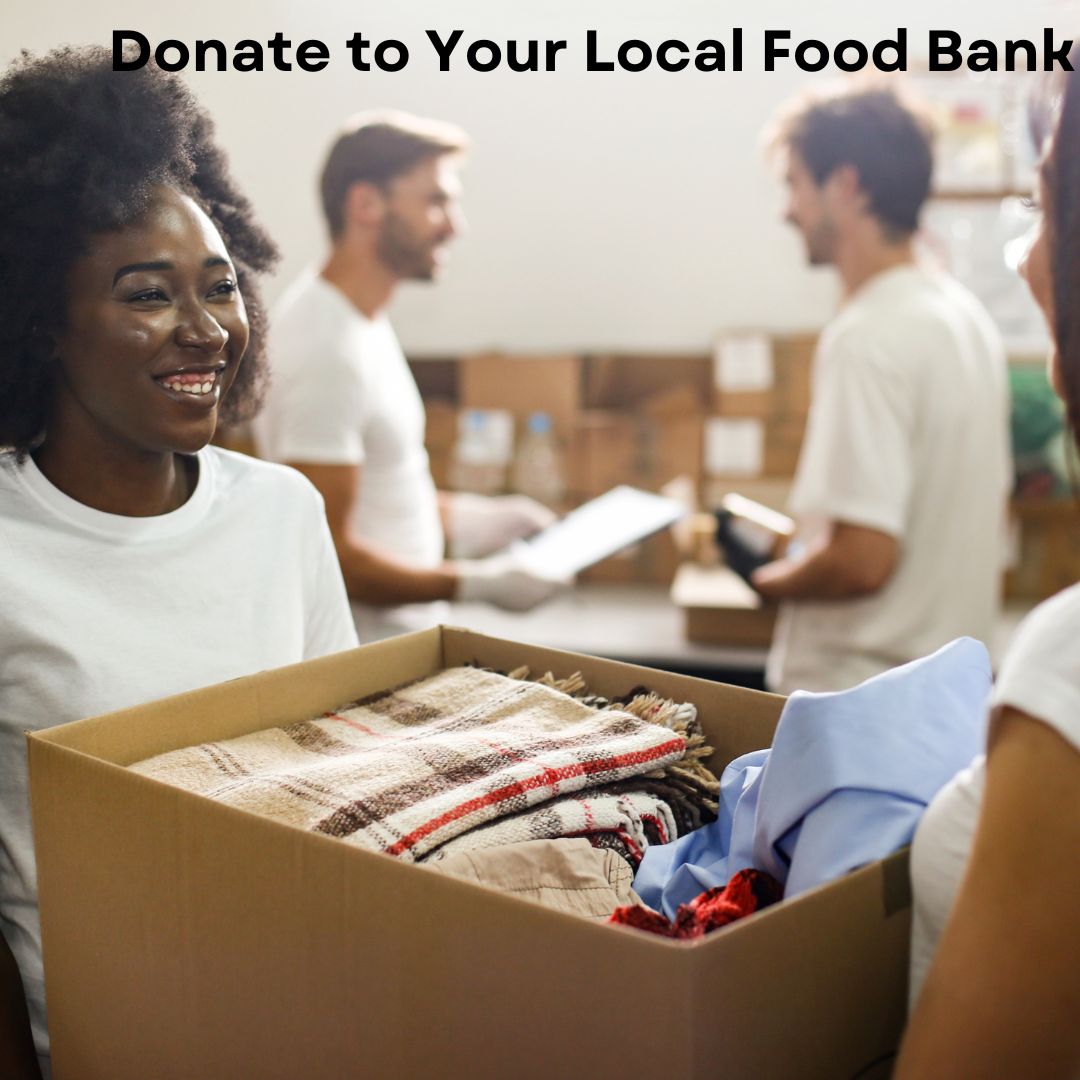
When donating food, non-perishable items are always the most needed. Consider donating canned goods such as soups, beans, and meats, as well as staple items like pasta, rice, and boxed meals. These foods have long shelf lives and are essential in helping us stock our pantry.
Additionally, we encourage donations that cater to special dietary needs, including gluten-free, vegetarian, or halal options. These offerings help us ensure that all community members can find food that meets their requirements.
Health-conscious donations are also greatly appreciated. Low-sodium items, whole grains, and nutritious snacks like nuts, seeds, and dried fruit are valuable additions to the pantry. These items not only provide nourishment but also support the overall well-being of those we serve.
How to Donate Food
Donating food is simple! You can drop off your donations at our pantry’s location during our regular hours: Mondays, Tuesdays, and Thursdays from 9 am to 3:30 pm. If you’re unable to visit during business hours, feel free to leave donations outside the pantry in the designated area. Just be sure to check the weather conditions—items left outside in extreme temperatures may not be suitable for donation.
We also encourage individuals, families, or organizations to host food drives. Whether at schools, offices, or community events, food drives are a great way to gather a large quantity of donations. To make your drive successful, we suggest setting a donation goal, promoting the event on social media, and involving others in the process. For more details or to schedule a food drive, please contact us at [Phone Number or Email].
What Not to Donate
To ensure food safety and quality, we kindly ask that you refrain from donating expired or damaged items. Also, homemade or perishable foods cannot be accepted, as they require specific storage and handling that our pantry cannot accommodate. Please review expiration dates and packaging before donating to ensure that items are safe for distribution.
Section 2: Donating Funds
Why Monetary Donations Matter
While food donations are crucial, monetary contributions are just as important. Cash donations allow us the flexibility to purchase food in bulk, cover operating expenses, and provide emergency assistance during high-demand periods, such as holidays or unexpected crises.
Additionally, funds help us maximize the value of each donation. We can buy food at a discounted rate from wholesalers, and we are able to use financial resources to support other services like meal programs, transportation, or rent assistance for those in need. Your donation can stretch much further when used for purchasing specific items, ensuring we have exactly what is needed most.
How to Donate Funds
Making a financial contribution is quick and easy. You can donate securely through our online donation portal on our website at [Insert Donation Link]. We also accept donations via PayPal or credit card.
For those who prefer to mail in their donations, checks or money orders can be sent to:
201 Sabine Avenue 2nd Floor, Narberth, Pa. 19072.
Consider setting up a monthly donation! Regular, recurring gifts help us plan for the future and ensure a steady flow of resources to help our community. You can select your donation frequency through our online portal.
Other Ways to Contribute Financially
In addition to individual donations, there are other ways to support our work financially. Businesses and corporations can partner with us for sponsorships, event support, or matching gift programs. Many companies offer to match employee donations, so check with your employer to see if they participate.
For those interested in long-term giving, we also welcome planned gifts. This can include bequests, charitable trust funds, or donations made as part of your estate planning. For more information on these options, please contact us directly.
Section 3: How Donations Make a Difference
Thanks to the generosity of our donors, we have been able to provide thousands of meals to local families facing food insecurity. Just last month, your donations helped us distribute over 5,000 pounds of food and provide emergency food packages to over 300 households.
Every donation, whether large or small, plays a critical role in supporting our mission. Your contribution helps us offer food, hope, and dignity to those who need it most.
Together, we can make a lasting impact in our community. By donating food, funds, or even your time, you help ensure that no one has to go hungry.
Conclusion
Whether you choose to donate food or funds, your support is invaluable. Your contributions enable us to continue our work and provide essential services to those in need. We invite you to take the next step today—every act of kindness counts.

 Narberth Community Food Bank