

At the Narberth Community Food Bank, we strive to provide our neighbors with nutritious and accessible food options. One of the best pantry staples we distribute is canned tuna—a versatile, protein-packed ingredient that can be turned into a delicious meal in just minutes.
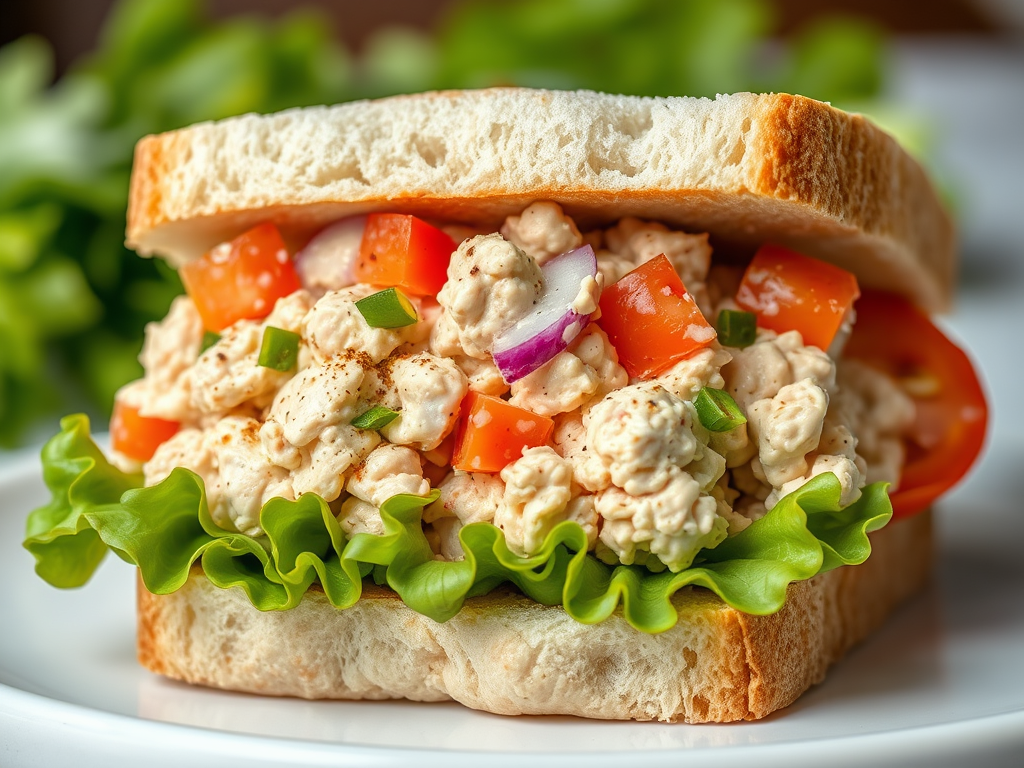
One of our favorite ways to use canned tuna is in Tuna Salad Sandwiches. This classic meal is not only easy to make but also affordable, filling, and packed with nutrients. Whether you’re preparing lunch for your family or need a quick and healthy meal, tuna salad is a go-to option that can be customized with whatever ingredients you have on hand.
Read on to learn about the benefits of tuna, tips for making a great tuna salad, and our easy, pantry-friendly tuna salad sandwich recipe!
Canned tuna is a nutritional powerhouse that offers a variety of health benefits:
🐟 High in Protein – Tuna is a great source of lean protein, which helps keep you full and supports muscle health.
💙 Heart-Healthy Omega-3s – These essential fatty acids are good for heart health and brain function.
🔋 Rich in Vitamins & Minerals – Tuna contains vitamin B12, iron, and selenium, which are important for energy and immunity.
🌎 Budget-Friendly & Shelf-Stable – Canned tuna is affordable, easy to store, and has a long shelf life, making it a great pantry staple.
With these benefits in mind, let’s dive into how to make the perfect tuna salad sandwich!
🥫 1 (5 oz) can tuna, drained
🥄 2 tbsp mayonnaise (or plain yogurt for a lighter option)
🌿 1 tsp mustard (optional, for added flavor)
🥒 2 tbsp chopped pickles or relish (optional, adds crunch & tang)
🧅 2 tbsp diced celery or onion (optional, for extra crunch)
🧂 Salt & pepper to taste
🍋 1 tsp lemon juice (optional, for freshness)
🍞 4 slices of bread or rolls
🥬 Lettuce or tomato slices (optional toppings)
1️⃣ Prepare the Tuna:
2️⃣ Mix the Ingredients:
3️⃣ Assemble the Sandwiches:
4️⃣ Serve & Enjoy!
One of the best things about tuna salad is that it can be easily adjusted based on what you have available:
🥑 Healthy Swap: Use mashed avocado instead of mayo for a creamy, nutritious alternative.
🌶 Spicy Kick: Add a dash of hot sauce or a sprinkle of red pepper flakes.
🥕 Extra Veggies: Mix in shredded carrots, bell peppers, or cucumber for more crunch.
🥚 Protein Boost: Add chopped boiled eggs to make it even more filling.
No matter how you make it, tuna salad is a quick, nutritious, and satisfying meal that can be enjoyed in sandwiches, wraps, or even on top of a salad.
At the Narberth Community Food Bank, we aim to provide accessible, nutritious meals for families facing food insecurity. Recipes like this help stretch ingredients, making the most out of affordable pantry staples.
When you donate canned tuna, mayonnaise, or bread, you’re directly helping families prepare easy, nourishing meals. Simple meals like tuna salad sandwiches can bring comfort and stability to those who need it most.
If you’d like to support the Narberth Community Food Bank, here’s how you can make a difference:
🍎 Donate Non-Perishable Foods – Canned proteins (like tuna), whole grain bread, and condiments are always in demand.
💰 Make a Financial Contribution – Every dollar helps us purchase fresh and healthy food for families in need.
🤝 Volunteer Your Time – Help sort donations, prepare food bags, or assist during distribution days.
📢 Spread the Word – Share our mission on social media or organize a local food drive.
Together, we can ensure that no family in our community has to go hungry.
Tuna salad sandwiches are a simple yet powerful meal—affordable, nutritious, and easy to prepare. Whether you’re making this for your own family or helping to provide meals for others through the Narberth Community Food Bank, every meal matters.
If you try this recipe or have your own favorite way to make tuna salad, we’d love to hear from you! Share your favorite variations and tag us on social media.
Thank you for being a part of our community and for supporting our mission to fight hunger, one meal at a time. ❤️
🌟 Visit https://www.narberthcommunityfoodbank.org or contact us at 484 754 6404 to learn more about how you can help!

At Narberth Community Food Bank we believe that a strong community is built on kindness, generosity, and the willingness to help one another. Every day, families and individuals in our community face food insecurity, unsure of where their next meal will come from. Thanks to our dedicated volunteers, we can provide fresh, nutritious food to those who need it most.

Want to make a difference? Whether you have a few hours to spare each month or are looking for a regular volunteer opportunity, there are many ways to get involved and help fight hunger.
Giving your time to a food pantry isn’t just about stocking shelves or packing food boxes—it’s about changing lives. Here’s why volunteering matters:
❤️ You Directly Impact Your Community – Every task you do, big or small, helps someone in need.
🤝 You Build Connections – Volunteering is a great way to meet like-minded people who care about making a difference.
🌍 You Reduce Food Waste – By sorting and distributing food, you help ensure that good food goes to those who need it instead of being wasted.
😊 You Gain a Sense of Fulfillment – There’s no better feeling than knowing you’ve made a real impact in someone’s life.
There are many different ways to volunteer at [Your Food Pantry Name], depending on your interests, skills, and availability.
📦 What You’ll Do: Assist in handing out food to families during pantry distribution hours. This may involve packing food boxes, restocking shelves, or helping clients select items.
📆 Time Commitment: Flexible! You can volunteer weekly, monthly, or whenever your schedule allows.
📦 What You’ll Do: Help inspect, sort, and organize incoming food donations. This is a crucial step in ensuring that only safe, high-quality food reaches those in need.
📆 Time Commitment: Great for individuals, families, or groups looking for a one-time or ongoing volunteer experience.
🚚 What You’ll Do: Drive to local grocery stores, farms, or donation sites to pick up food and deliver it to our pantry. A personal vehicle is helpful but not required.
📆 Time Commitment: As needed—great for those who have flexible schedules and want to help behind the scenes.
🎉 What You’ll Do: Help plan and run fundraising events, food drives, or holiday meal distributions. These events bring in crucial resources to sustain our mission.
📆 Time Commitment: Perfect for volunteers who enjoy occasional, event-based opportunities.
📢 What You’ll Do: Spread the word about our pantry’s mission by hosting food drives, sharing information on social media, or reaching out to local businesses and organizations for support.
📆 Time Commitment: This can be done from home or within your network—great for busy individuals who still want to make an impact!
📋 What You’ll Do: Help with data entry, answering phone calls, scheduling volunteers, or organizing paperwork. A great opportunity for detail-oriented individuals!
📆 Time Commitment: A few hours a week can make a big difference.
Are you part of a school, church, corporate, or community group looking for a meaningful team-building activity? Volunteering together is a great way to bond while making a positive impact. We offer special group volunteer days where teams can work together to sort food, pack meal boxes, or assist with distribution.
📞 Step 1: Contact Us – Reach out to Narberth Community Food Bank at 484 754 6404 or visit our website at https://www.narberthcommunityfoodbank.org to learn more.
📝 Step 2: Sign Up – Complete a volunteer application and let us know your availability and interests.
👋 Step 3: Attend an Orientation – We’ll provide training so you feel confident and prepared to help.
⏳ Step 4: Start Volunteering! – Whether you’re sorting food, helping distribute groceries, or advocating for our mission, your efforts will make a real difference.
If your schedule doesn’t allow for in-person volunteering, you can still support our mission in other ways:
💰 Donate Funds – Every dollar helps us provide more food for families in need.
🛒 Host a Food Drive – Collect non-perishable food from your workplace, school, or neighborhood.
📲 Share on Social Media – Help spread awareness by sharing our posts and encouraging others to get involved.
Volunteering at Narberth Community Food Bank isn’t just about giving food—it’s about giving hope. Together, we can create a stronger, healthier community where no one has to go hungry.
Are you ready to make a difference? Sign up today and be part of something bigger!
🌟 Visit us at https://www/narberthcommunityfoodbank.org or call 484 754 6404 to learn more about volunteer opportunities.
Thank you for your time, your compassion, and your willingness to help. We can’t do this without you! ❤
️
At Narberth Community Food Bank , we believe that everyone deserves access to fresh, nutritious food. For many families, however, putting meals on the table isn’t always easy. Rising grocery prices, job loss, medical bills, and other financial struggles can make it difficult to afford basic necessities.
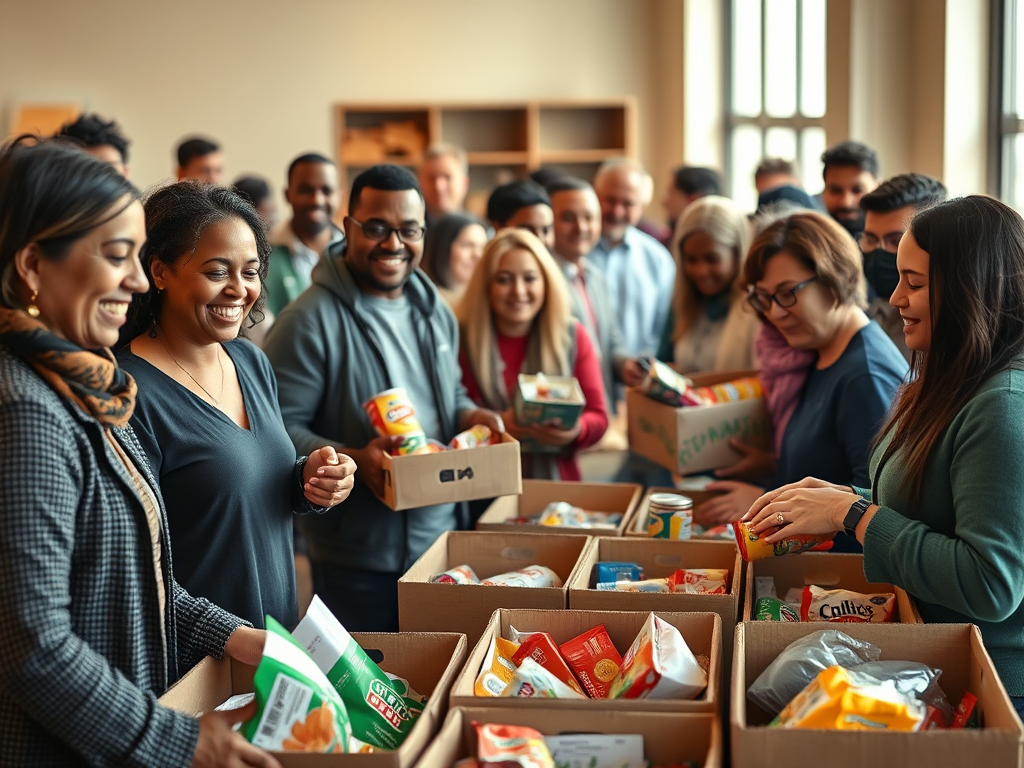
This is where your donations make a world of difference. Every can of vegetables, bag of rice, or jar of peanut butter you give helps a family take a step toward a fresh start. Let’s take a closer look at how your generosity directly supports those in need and why every donation matters.
Food insecurity affects millions of families across the country. Parents skip meals to ensure their children have enough to eat. Seniors on fixed incomes struggle to afford nutritious options. Individuals facing unexpected hardships—such as job loss or medical expenses—often have to choose between paying rent and buying groceries.
For these families, food pantries like Narberth Community Food Bank provide more than just food. They offer hope, stability, and the reassurance that help is available when it’s needed most.
When you donate non-perishable and fresh food items, you help families eat balanced, nourishing meals.
🍎 Fresh Produce – Fruits and vegetables provide essential vitamins and minerals.
🥖 Grains & Pasta – Rice, pasta, and oats are filling staples that stretch meals further.
🥫 Canned Goods – Proteins like canned tuna, beans, and soups help families create well-rounded meals.
🍼 Baby Essentials – Formula, baby food, and diapers support parents with infants.
These donations reduce stress for families and ensure they have access to the foods they need to stay healthy.
When a family knows they can rely on a food pantry for groceries, they can redirect their limited income to other important needs, such as:
🏠 Rent & Utilities – Keeping a roof over their heads.
🎓 Education & Childcare – Ensuring children have a bright future.
💊 Healthcare – Paying for medications and doctor visits.
Your donations provide a safety net, giving families the breathing room they need to regain stability.
Did you know that 40% of food in the U.S. goes to waste? By donating extra non-perishable goods or surplus fresh items, you help ensure that perfectly good food feeds people instead of ending up in landfills.
If you have extra food in your pantry that your family won’t use, consider donating it instead of letting it expire. Even small contributions add up to a huge impact!
Every donation, no matter how small, represents kindness and generosity. When we come together to support one another, we build a stronger, healthier community where no one has to struggle alone.
A single bag of groceries might seem like a small gesture, but to a struggling family, it’s a sign that someone cares.
To understand just how much your donations mean, let’s share a real-life story.
Meet Maria, a single mother of two who recently lost her job due to company layoffs. With bills piling up, she struggled to afford groceries. She visited Narberth Community Food Bank, unsure of what to expect.
“The moment I walked in, I felt a sense of relief,” Maria recalls. “I was able to pick up fresh produce, pasta, and even some snacks for my kids. The volunteers were so kind, and they made me feel welcome.”
Thanks to generous donors, Maria and her children didn’t have to go to bed hungry. She found a new job a few months later, and now she gives back by volunteering at the food pantry.
“Without the food pantry, I don’t know what I would have done. Now, I want to help others the way I was helped,” she says.
Want to be part of the solution? Here are a few ways to support families like Maria’s:
Some of our most-needed items include:
✔️ Canned proteins (tuna, chicken, beans)
✔️ Pasta, rice, and oatmeal
✔️ Peanut butter and jelly
✔️ Shelf-stable milk and cereal
;2. Give Fresh Produce or Perishable Items
Many food pantries accept fresh produce, dairy, eggs, and meat. If you have extra from your garden or grocery store trip, consider donating!
Don’t have extra food to donate? Monetary donations help us purchase fresh foods, cover operating costs, and expand our services. Even $10 can provide several meals!
Your time is just as valuable as your donations! Help us sort food, assist families, or organize distribution events. It’s a great way to give back.
Every time you donate food, funds, or time, you help a family take a step toward a brighter future. Your kindness provides not just nourishment, but also hope, relief, and the reassurance that no one has to face hunger alone.
This spring, as you clean out your pantry or look for ways to give back, consider making a donation to [Your Food Pantry Name]. Together, we can ensure that every family has the food they need to thrive, not just survive.
🌱 Ready to help? Visit us at 201 Sabine Avenue, Narberth Pa. 19072 or donate online at bit.ly/ncfbdonate .
Thank you for being a part of this mission. Your generosity changes lives! ❤
️
At Narberth Community Food Bank, we believe that eating healthy doesn’t have to be expensive or complicated. One of the best ways to enjoy a nutritious, satisfying meal on a budget is by making a veggie stir-fry. This dish is not only packed with vitamins and fiber, but it’s also versatile, affordable, and easy to prepare.

With just a few pantry staples and fresh (or frozen) vegetables, you can create a meal that’s both delicious and filling. Whether you serve it on its own or pair it with rice or noodles, this veggie stir-fry is perfect for a quick lunch or dinner.
Stir-frying is a fantastic cooking method for several reasons:
🥕 Uses Simple Ingredients – You can make a great stir-fry with whatever vegetables you have on hand.
⏳ Quick and Easy – It takes less than 30 minutes to prepare!
💰 Budget-Friendly – Uses affordable, accessible ingredients, many of which can be found at food pantries.
🥦 Nutrient-Rich – Packed with vitamins, minerals, and fiber from fresh vegetables.
🍽 Customizable – Add protein, change up the sauce, or adjust the spice level based on your preference!
🥦 Vegetables (Use What You Have!):
🍜 For the Stir-Fry Sauce:
🍚 Serving Suggestions:
💡 Use Frozen Vegetables – They’re just as nutritious as fresh and often more affordable!
💡 Substitutes Work! – No soy sauce? Try a mix of salt and a splash of vinegar. No honey? Sugar works too!
💡 Stretch Your Meal – Add more rice or noodles to make this dish feed more people.
💡 Protein Boost – Add canned beans or eggs if you don’t have chicken or tofu.
🌟 It’s Kid-Friendly – Sweet and savory flavors make it a hit with little ones.
🌟 Great for Meal Prep – Make a big batch and enjoy leftovers throughout the week.
🌟 Supports Healthy Eating – Packed with fiber, vitamins, and minerals.
🌟 Perfect for Food Pantry Ingredients – Many of the ingredients (rice, canned veggies, and soy sauce) are commonly available at food banks.
At [Your Food Pantry Name], we encourage our community to cook healthy, affordable meals and support those in need. If you have extra pantry staples, consider donating to help others prepare nourishing meals like this veggie stir-fry.
🛒 Looking to donate? Our most-needed items include:
✔️ Rice, pasta, and noodles
✔️ Canned vegetables and beans
✔️ Cooking oil and seasonings
✔️ Canned proteins (chicken, tuna, tofu)
Visit us at [Your Food Pantry Name] to donate or receive assistance. Together, we can make healthy meals accessible to everyone!
Happy cooking! 🍽️🥕🌟
Spring is the perfect time to refresh and reorganize your home—including your pantry! A well-organized pantry can help reduce food waste, make meal planning easier, and even save you money by preventing duplicate purchases. At Narberth Community Food Bank, we believe that keeping a tidy pantry also means creating opportunities to give back. As you go through your shelves, consider donating unused, unexpired food to help families in need.
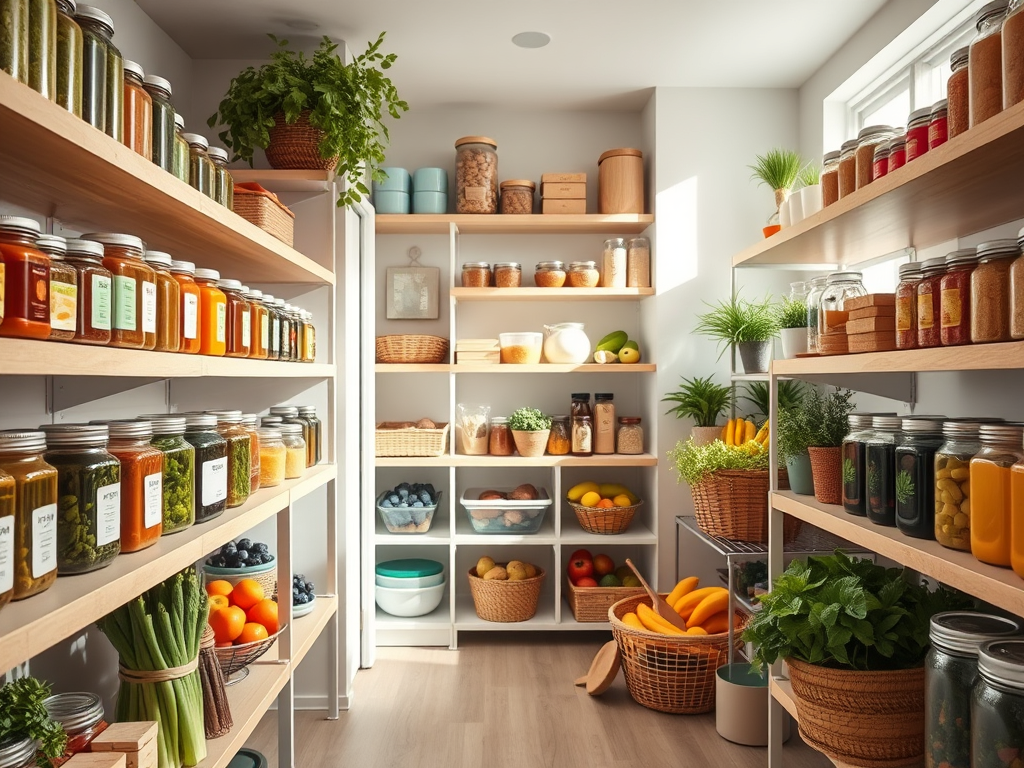
Here’s a step-by-step guide to organizing your pantry, plus tips on what to donate and how to make your food storage more efficient!
The best way to start organizing your pantry is with a clean slate. Take everything off the shelves and group similar items together. This helps you see what you have, what’s expired, and what you don’t need.
As you do this, make three piles:
✅ Keep – Items you regularly use and want to keep.
🗑 Discard – Expired or damaged items that are no longer safe to eat.
🎁 Donate – Unused, unexpired items you no longer need that could help someone else.
Carefully check expiration dates on canned goods, dry foods, and snacks. Some foods may still be safe to eat past their printed date, but if something looks off—bulging cans, odd smells, or damaged packaging—it’s best to discard it.
If you find food items that are:
✅ Unopened and in original packaging
✅ Not expired or close to expiration
✅ Non-perishable (canned goods, rice, pasta, peanut butter, etc.)
Then they’re great candidates for donation! Food pantries like [Your Food Pantry Name] always welcome shelf-stable essentials.
Before putting items back, take a moment to wipe down shelves, vacuum crumbs, and sanitize surfaces. This prevents pests and keeps your food fresh.
A simple cleaning solution:
🧼 Mix equal parts vinegar and warm water for an easy, non-toxic cleaner!
To make meal prep and grocery shopping easier, store similar items together:
For items you use often, place them at eye level so they’re easy to grab. Less frequently used items, like extra stock or baking ingredients, can go on higher or lower shelves.
A simple pantry list can prevent overbuying and ensure you always have essentials on hand. Keep a small whiteboard or notepad in your pantry to jot down what needs replenishing.
Now that your pantry is neat and organized, it’s time to share the extra food you found with those in need! Donations from households like yours help keep food pantries stocked and ready to serve the community.
📍 Find Your Local Food Pantry – Visit Narberth Community Food Bank at 201 Sabine Avenue, Narberth, Pa. 19072 or check local organizations.
📦 Drop Off Donations – Most pantries accept donations during specific hours. Give us a call at [Phone Number] to check our schedule!
❤️ Spread the Word – Encourage friends and family to do a spring pantry cleanout and donate!
Spring cleaning isn’t just about tidying up—it’s about making intentional choices to create a more organized, efficient, and generous home. By clearing out your pantry, you’re not only reducing waste but also helping fight hunger in your community.
At Narberth Community Food Bank, we are grateful for every donation, big or small. This spring, as you declutter, remember that your extra food could be a lifeline for a family in need.
Ready to make an impact? Stop by [Your Food Pantry Name] to drop off donations or learn more about how you can help!
Happy Spring Cleaning! 🌸🍽
At Narberth Community Food Bank, we see firsthand how small, consistent acts of generosity can create a lasting impact. While one-time donations are always appreciated, monthly donations provide stability and allow us to better serve those in need. To illustrate just how powerful recurring giving can be, we want to share the story of one of our dedicated donors—Sarah.
Sarah’s journey as a monthly donor didn’t start with deep pockets or a grand gesture. It began with a simple desire to make a difference, one meal at a time.
Sarah is a busy working professional with a heart for helping others. Like many, she occasionally donated to food drives and contributed whenever she could. But one day, while volunteering at Narberth Community Food Bank, she had a conversation that changed everything.
“I was helping distribute food when a mother with two young children came in,” Sarah recalls. “She was so grateful for the fresh produce and pantry staples we provided. She told me how difficult it was to afford groceries while paying rent and childcare. That moment really stuck with me. I realized that hunger isn’t just a one-time emergency—it’s an ongoing struggle for many families.”
That’s when Sarah decided she wanted to make a consistent impact. She signed up to become a monthly donor, committing just $25 per month—less than the cost of a dinner out.
Sarah’s story highlights an important truth: hunger doesn’t take a break, and neither should our support.
When donors commit to giving monthly, they help food pantries like ours plan ahead and maintain a steady supply of essential items. Here’s why monthly giving is so powerful:
One-time donations are wonderful, but they can fluctuate. Monthly donations ensure that we always have funds available to purchase food and keep our shelves stocked. This consistency allows families to rely on us when they need help the most.
With predictable income, we can budget more efficiently, purchase in bulk, and even expand our services. Knowing we have reliable donations each month means we can focus on long-term solutions rather than just short-term fixes.
Many people assume they have to give large amounts to make a difference, but that’s not true. Sarah’s $25 monthly donation may seem small, but over a year, it adds up to $300—enough to provide hundreds of meals! Now imagine if 50 people gave $25 per month. That’s $15,000 per year to feed families in need.
Monthly giving is easy. Sarah set up her donation once, and it automatically processes every month. Plus, she has the flexibility to adjust or pause her donation at any time.
Sarah’s contributions, along with those of other monthly donors, have helped provide:
🍎 Nutritious meals for children who might otherwise go hungry.
🏡 Grocery support for seniors living on fixed incomes.
🛒 Emergency food boxes for families experiencing unexpected financial hardship.
Knowing she plays a role in these efforts keeps Sarah motivated. “It’s the best decision I’ve made,” she says. “I don’t even notice the money leaving my account, but I know it’s making a difference in someone’s life.”
If Sarah’s story inspires you, we invite you to join our community of sustaining donors. Becoming a monthly donor is simple and impactful:
1️⃣ Choose an Amount – Even $10 per month can provide meals for a family in need.
2️⃣ Set Up Automatic Donations – Sign up online at [Donation Link] or visit us in person.
3️⃣ Make a Lasting Impact – Your recurring gift ensures we can continue serving the community.
Sarah’s story is just one example of how small, consistent acts of generosity can transform lives. By becoming a monthly donor, you’re not just giving food—you’re giving hope, stability, and a brighter future to those who need it most.
Join us today and be the reason someone doesn’t go to bed hungry. Visit [Your Food Pantry Name] at [Website/Donation Page] to set up your monthly gift.
Thank you for believing in the power of giving—one meal at a time.
At [Your Food Pantry Name], we believe that everyone deserves access to healthy, delicious meals that are easy to prepare. One of the best ways to enjoy a nutritious meal without spending a lot of time in the kitchen is by making a Chicken Caesar Salad. This classic dish is simple, packed with protein, and made with ingredients you can often find at your local food pantry.
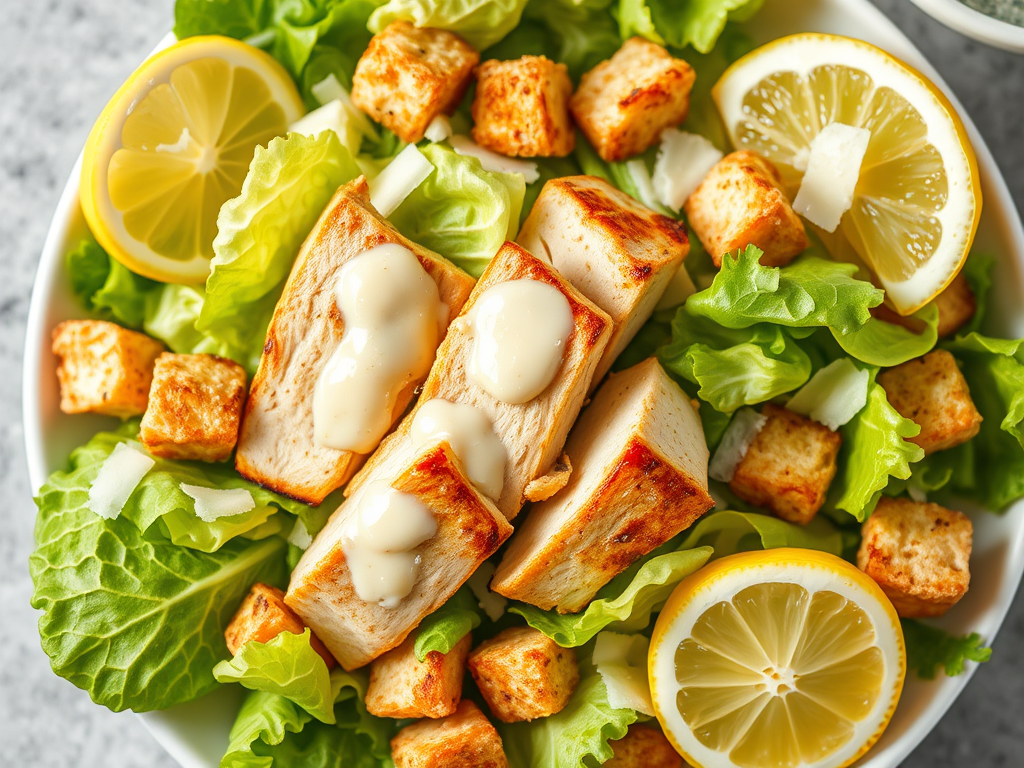
Whether you’re looking for a quick lunch, a light dinner, or a healthy meal to share with your family, this Chicken Caesar Salad is a great choice. Plus, we’ll share some tips on how to make it more budget-friendly and nutritious!
A Chicken Caesar Salad is a great meal because it’s:
✅ Nutrient-Rich – It contains protein from the chicken, fiber from the lettuce, and healthy fats from the dressing.
✅ Quick & Easy – This salad takes less than 30 minutes to prepare!
✅ Budget-Friendly – Many of the ingredients, such as lettuce, bread, and canned chicken, are affordable and accessible.
✅ Customizable – You can adjust the ingredients based on what you have on hand.
To make this simple Chicken Caesar Salad, you’ll need:
🛒 For the Salad:
🛒 For the Dressing (Homemade Caesar Dressing):
If using cooked chicken, simply dice or shred it into bite-sized pieces.
If using raw chicken, season it with salt and pepper, cook it in a pan over medium heat for about 6-8 minutes per side, then slice it into strips.
If you have leftover bread, turn it into homemade croutons!
💰 Use Canned Chicken – It’s affordable, shelf-stable, and easy to use in recipes.
💰 Make Your Own Croutons – Instead of buying expensive croutons, toast up leftover bread.
💰 Try Different Greens – Romaine is great, but any leafy greens (like spinach or iceberg) will work.
💰 Stretch the Meal – Add cooked pasta or extra veggies like cherry tomatoes or cucumbers to make the salad more filling.
🥑 Add More Healthy Fats – Mix in avocado or use a light dressing made with olive oil.
🌱 Make It Vegetarian – Skip the chicken and use chickpeas or tofu for protein.
🥚 Boost the Protein – Add a boiled egg for extra protein and nutrients.
This Chicken Caesar Salad is a versatile meal that works for all lifestyles. Whether you’re cooking for a family, preparing a quick lunch, or trying to eat healthier, this recipe is a simple and delicious option. Plus, many of these ingredients can be found at food pantries, making it accessible to those on a tight budget.
At [Your Food Pantry Name], we’re here to help you find nutritious food and easy meal ideas. If you’re in need of food assistance, stop by and see what resources we have available.
National Nutrition Month is the perfect time to try new, healthy meals! This Chicken Caesar Salad is a great way to enjoy a balanced meal with simple, affordable ingredients. Give it a try and let us know how you like it!
Have any favorite pantry-friendly recipes? Share them with us at [Your Food Pantry Name]—we love hearing how our community gets creative in the kitchen!
For more resources and food assistance, visit us at 201 Sabine Avenue, Narberth, Pa. 19072 or call 484 754 6404.
Happy cooking! 🍽️😊
March is National Nutrition Month, a time to focus on making informed food choices and developing healthy eating habits. At [Your Food Pantry Name], we believe that everyone deserves access to nutritious food, regardless of their financial situation. Eating well doesn’t have to be complicated or expensive—with the right knowledge and a few small changes, you can build healthier meals for yourself and your family.

This month, we’re sharing practical tips to help you eat well on a budget, maximize the nutritional value of your meals, and make the most of the resources available at your local food pantry.
When planning meals, aim for foods that provide the most nutritional value. Whole foods—those that are minimally processed and packed with vitamins, minerals, and fiber—help fuel your body and keep you feeling full longer.
✅ Choose Whole Grains – Swap white bread, rice, and pasta for whole-grain versions to get more fiber and nutrients.
✅ Eat More Fruits and Vegetables – Fresh, frozen, or canned (with no added sugar or salt) are all great options.
✅ Incorporate Lean Proteins – Beans, lentils, eggs, chicken, and canned tuna are affordable, protein-rich choices.
Planning meals in advance helps reduce food waste and saves money. Try these strategies to make the most of your grocery budget:
📌 Create a Meal Plan – Outline your meals for the week and make a shopping list before heading to the store.
📌 Buy in Bulk When Possible – Purchasing staple items like rice, beans, and oats in larger quantities can save money over time.
📌 Look for Sales and Discounts – Check weekly ads, use coupons, and take advantage of special deals on nutritious foods.
📌 Limit Sugary and Processed Foods – While they may be convenient, processed foods are often high in sugar, sodium, and unhealthy fats.
If you rely on food assistance programs or your local food pantry, you can still create healthy meals with basic ingredients. Here are some simple meal ideas using common pantry staples:
🥣 Oatmeal with Peanut Butter & Bananas – A hearty, high-fiber breakfast packed with protein and potassium.
🍲 Rice and Beans – A budget-friendly, protein-rich meal that provides essential nutrients.
🥗 Canned Tuna & Chickpea Salad – Mix canned tuna, chickpeas, olive oil, and vinegar for a quick, healthy meal.
🌮 Black Bean Tacos – Use canned black beans, tortillas, and spices for an easy, nutritious dinner.
Many sugary drinks, like soda and juice, contain empty calories and contribute to weight gain. Instead, opt for:
💧 Water – The best choice for hydration. Add lemon, cucumber, or mint for extra flavor.
🥛 Low-Fat or Plant-Based Milk – Provides essential nutrients like calcium and vitamin D.
🍵 Herbal Tea – A caffeine-free, hydrating alternative to sugary drinks.
Eating the right amount of food is just as important as choosing the right foods. Here are a few simple ways to avoid overeating:
🍽 Use Smaller Plates – This can help with portion control and prevent overeating.
🍴 Eat Slowly – Taking your time to chew and enjoy your meal allows your body to recognize when it’s full.
🥦 Fill Half Your Plate with Vegetables – This ensures you’re getting plenty of fiber and essential nutrients.
Reducing food waste is an important part of healthy eating. Instead of throwing away leftovers, repurpose them into new meals:
🍛 Leftover Rice? – Turn it into a stir-fry with frozen vegetables and eggs.
🍞 Extra Bread? – Make homemade croutons or French toast.
🍗 Leftover Chicken? – Shred it for tacos, soups, or salads.
If you or someone you know is struggling to afford nutritious food, there are resources available to help:
🥫 Visit [Your Food Pantry Name] – We provide healthy food options for individuals and families in need.
💳 Apply for SNAP Benefits – The Supplemental Nutrition Assistance Program (SNAP) helps low-income families purchase nutritious food.
🏥 Check Local Programs – Many community organizations offer free nutrition education, cooking classes, and food assistance.
Eating healthy doesn’t have to be expensive or difficult. By making small, intentional changes, you can improve your nutrition and overall well-being. This National Nutrition Month, challenge yourself to add more whole foods to your diet, cook at home more often, and make the most of the resources available to you.
At [Your Food Pantry Name], we’re here to support you on your journey to healthier eating. Visit us to access nutritious food and learn more about how we can help!
Spring is in the air! As the flowers bloom and the days grow longer, many of us take this time to deep clean our homes, reorganize our spaces, and refresh our surroundings. While you’re clearing out clutter and tidying up, why not put those unused items to good use? Donating your extra food and household goods to a local food pantry can make a significant impact on families in need.

At [Your Food Pantry Name], we serve individuals and families who rely on community generosity to meet their basic needs. This spring, as you go through your pantry, closets, and storage spaces, consider setting aside items that could benefit others.
Spring cleaning isn’t just about making your home look nice—it’s about creating a more organized and efficient space. It’s also an opportunity to assess what you have and determine what you no longer need. Here are a few reasons why spring cleaning and donating go hand in hand:
As you clean out your pantry, cabinets, and closets, here are some high-need items that food pantries like ours always appreciate:
Many families struggle to put food on the table, and your donations can help bridge the gap. Consider donating:
Basic hygiene products are often overlooked but are essential for health and dignity. Needed items include:
Many families struggle to afford basic cleaning products, which are not covered by food assistance programs. Consider donating:
Families with young children and pets often need extra support. Helpful donations include:
To ensure your donations are useful, follow these simple guidelines:
✅ Check Expiration Dates – Expired food cannot be distributed, so please ensure all items are within their use-by dates.
✅ Avoid Opened or Damaged Packages – Only donate items that are unopened and in good condition.
✅ Separate Items Thoughtfully – Packing similar items together (e.g., canned goods in one bag, hygiene products in another) helps with sorting.
✅ Consider Nutritional Value – Healthier options such as whole grains, low-sodium canned goods, and high-protein foods are especially helpful.
If you have a large donation or need assistance with drop-off, feel free to reach out to us!
If you don’t have extra items to donate but still want to make an impact, here are other ways you can support your local food pantry:
💰 Make a Monetary Donation – Financial contributions help us purchase fresh food and essential items in bulk.
👥 Volunteer Your Time – We always need helping hands to sort, distribute, and organize donations.
📢 Spread the Word – Share our mission with your friends and family to encourage more community support.
Spring cleaning is the perfect time to refresh your home and give back to those in need. Your unused items could make all the difference to a family struggling to get by. Let’s work together to build a stronger, more caring community—one donation at a time.
 Narberth Community Food Bank