10 Steps to How to Host a Fundraiser: A Guide for Our Community

Fundraising events play a crucial role in sustaining our food pantry’s mission. A successful fundraiser allows us to make a significant impact on those we serve. It ensures no one in our community goes hungry.

yellow paper with the word fundraiser written in black letters on top of a computer keyboard

1. Setting Clear Goals
Defining clear fundraising goals is essential. Set specific, measurable, and achievable targets to guide your planning and motivate your team.

2. Choosing the Right Fundraising Event
Explore various event types, such as gala dinners, charity auctions, and walkathons. Choose an event that aligns with our pantry’s mission. Ensure it resonates with our audience.

3. Budgeting and Financial Planning
Creating a realistic budget is vital. Estimate costs, seek sponsorships, and strategize to maximize revenue for our pantry’s needs.

4. Assembling a Planning Committee
Having a dedicated planning committee can streamline the process. Recruit volunteers with diverse skills in marketing, logistics, and fundraising to enhance your event.

5. Selecting the Event Date and Time
Choose a date and time that avoids conflicts with other major events. Consider community calendars to maximize attendance.

6. Promoting Your Fundraiser
Utilize social media, email newsletters, and local press for effective promotion. Create compelling content to engage and inspire your community.

7. Logistics and Event Execution
Pay attention to practical aspects like venue selection, permits, and catering. A detailed checklist can help ensure smooth execution on the day of the event.

8. Engaging Attendees
Enhance the attendee experience with entertainment, guest speakers, and interactive elements. Encourage personal connections and storytelling to foster community spirit.

9. Post-Event Follow-Up
Thank attendees, sponsors, and volunteers after the event. Post-event communication is key to building lasting donor relationships.

10. Measuring Success
Evaluate the fundraiser’s success using financial metrics and attendee feedback. Use this information for continuous improvement in future events.

Conclusion
By following these steps, you can host a successful fundraiser that makes a real difference in our community. Let’s come together and take action to support our mission!


Thanksgiving: Give Thanks by Giving Back

Thanksgiving: Give Thanks by Giving Back

The Spirit of Thanksgiving

Modern Traditions: Today, Thanksgiving has evolved beyond a simple feast. It has become a time for reflection, gratitude, and acts of kindness. Many families and communities now incorporate giving back into their Thanksgiving traditions. They do this by volunteering, donating to those in need, or simply spreading kindness. This spirit of generosity is at the heart of what makes Thanksgiving so special.

The Need in Our Community

Statistics and Facts: Despite the abundance many of us enjoy, food insecurity remains a significant issue in our community. According to recent statistics, nearly 1 in 8 households in our area struggle to put food on the table. This means that thousands of families, including children and the elderly, face hunger on a daily basis.

Personal Stories: Consider the story of Maria, a single mother of two who lost her job. With no income, she struggled to provide for her children. Thanks to the support of our food pantry, Maria received the nutritious food. She needed it to keep her family healthy. Stories like Maria’s highlight the critical role our food pantry plays in supporting those in need.

How Your Donations Make a Difference

Impact of Donations: Every dollar donated to our food pantry goes a long way. For example, a $25 donation can provide a week’s worth of groceries for a family of four. A $50 donation can supply essential pantry staples for a month. Your financial support helps us purchase fresh produce. It helps us buy dairy products and other nutritious foods. These are essential for a healthy diet.

Programs and Services: Our food pantry offers a variety of programs and services to support our community. These include meal programs for seniors, food distribution events, and educational workshops on nutrition and cooking. Your donations ensure that we can continue to offer these vital services and reach more families in need.

Ways to Give Back

Monetary Donations: Financial contributions are the most flexible and impactful way to support our food pantry. You can make a donation online through our secure website, or send a check to our office. Every donation, no matter the size, makes a difference.

Food Donations: We also welcome donations of non-perishable food items. Items such as canned vegetables, pasta, rice, and cereal are always in high demand. You can drop off your donations at our pantry during business hours.

Volunteer Opportunities: Volunteering is another great way to give back. We have a variety of volunteer roles available, from sorting and packing food to assisting with distribution events. Volunteering not only helps those in need but also fosters a sense of community and fulfillment.

Success Stories

Highlight Achievements: Thanks to the generous support of our donors, we have been able to achieve significant milestones. Last year, we distributed over 100,000 meals to families in need. We also launched a new program to provide fresh produce to low-income households, which has been a tremendous success.

Quotes and Testimonials: “Volunteering at the food pantry has been one of the most rewarding experiences of my life.” Jane, a long-time volunteer, shares this sentiment. “Seeing the gratitude on the faces of those we help is truly heartwarming.” Testimonials like Jane’s illustrate the profound impact of our work.

Call to Action

As we approach Thanksgiving, we urge you to consider making a donation to our food pantry. Your support is crucial in helping us continue our mission of fighting hunger and providing hope to those in need.

Conclusion

We are incredibly grateful for the support of our donors, volunteers, and community members. Your generosity makes our work possible and helps us bring hope to those who need it most.

Additional Tips

By giving thanks and giving back this Thanksgiving, we can make a meaningful difference in our community. Thank you for your support! Go to bit.ly/ncfbdonate to help. Every dollar helps. Please consider becoming a monthly donor to help us help our food insecure neighbors all year long.

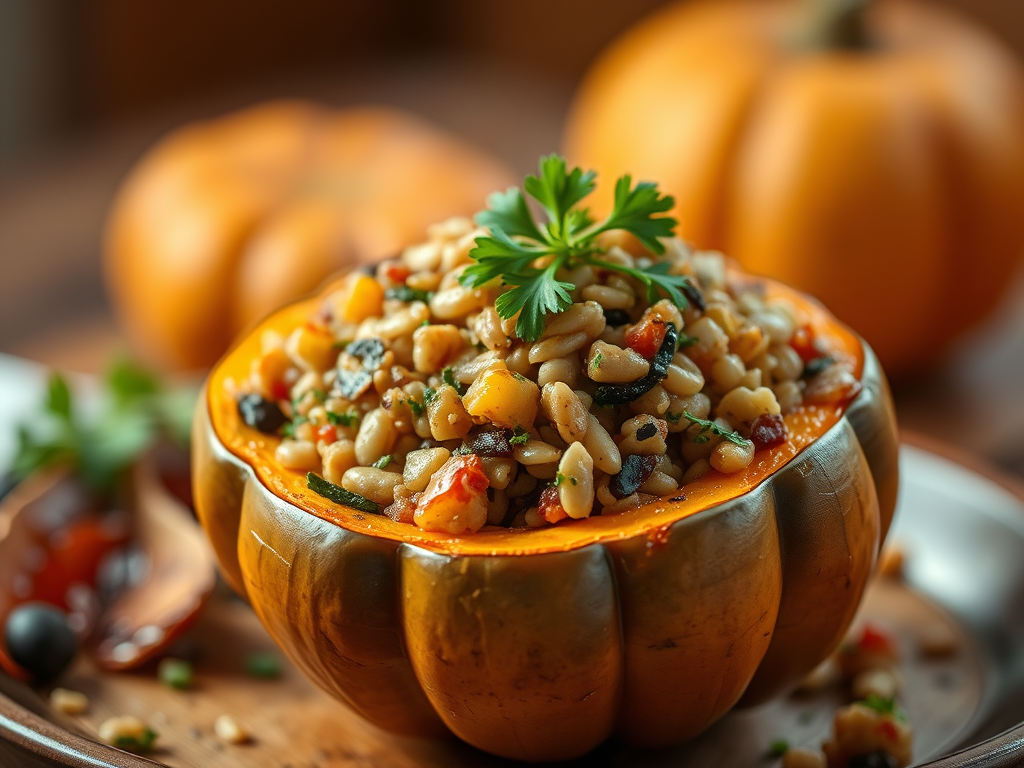
Recipe of the Week – Stuffed Acorn Squash

As fall approaches, here is a recipe to make you feel warm and cozy!

Ingredients:

  • 2 medium acorn squashes
  • 1 tablespoon olive oil
  • 1 small onion, diced
  • 2 cloves garlic, minced
  • 1 cup cooked quinoa or rice
  • 1 cup cooked black beans (or any beans of your choice)
  • 1 cup diced tomatoes (canned or fresh)
  • 1/2 cup corn kernels (fresh, frozen, or canned)
  • 1/2 teaspoon ground cumin
  • 1/2 teaspoon chili powder
  • Salt and pepper to taste
  • 1/4 cup chopped fresh cilantro (optional)
  • 1/2 cup shredded cheese (optional)

Instructions:

  1. Preheat the Oven: Preheat your oven to 400°F (200°C).
  2. Prepare the Squash: Cut the acorn squashes in half lengthwise and scoop out the seeds. Brush the cut sides with olive oil and place them cut-side down on a baking sheet. Roast in the preheated oven for about 30-35 minutes, or until the flesh is tender.
  3. Prepare the Filling: While the squash is roasting, heat the remaining olive oil in a large skillet over medium heat. Add the diced onion and cook until softened, about 5 minutes. Add the minced garlic and cook for another minute.
  4. Combine Ingredients: Stir in the cooked quinoa or rice. Add black beans, diced tomatoes, and corn. Season with ground cumin, chili powder, salt, and pepper. Cook for about 5-7 minutes, until everything is heated through and well combined. If using, stir in the chopped cilantro.
  5. Stuff the Squash: Once the squash halves are tender, remove them from the oven and carefully turn them over. Fill each half with the quinoa and bean mixture. If desired, sprinkle shredded cheese on top.
  6. Bake Again: Return the stuffed squashes to the oven. Bake for an additional 10-15 minutes. Continue baking until the cheese is melted and bubbly, if using.
  7. Serve: Remove from the oven and let cool slightly before serving. Enjoy your stuffed acorn squash as a hearty and healthy meal!

Tips:

  • You can customize the filling with your favorite vegetables or proteins.
  • For a vegan option, omit the cheese or use a plant-based cheese alternative.

This recipe is perfect for a cozy fall meal. It is sure to be a hit with your food bank’s community. Enjoy! 🍂🎃

Seasonal Produce: What’s Fresh This Fall

The crisp autumn air settles in. The leaves turn vibrant shades of red and gold. There’s a bounty of fresh produce waiting to be enjoyed. Fall is a season of abundance. It offers a variety of fruits and vegetables. These are not only delicious but also packed with nutrients. Embracing seasonal produce means enjoying food at its peak flavor. It also means experiencing the highest nutritional value. Additionally, you support local farmers and reduce your carbon footprint.

Section 1: Fruits in Season

Apples: Fall is synonymous with apple season. From sweet Honeycrisps to tart Granny Smiths, apples are versatile and packed with fiber and vitamin C. Enjoy them fresh, baked into pies, or simmered into applesauce.

Pears: Juicy and sweet, pears are a fall favorite. They are rich in dietary fiber and vitamin C, making them a healthy snack. Try them in salads, baked goods, or simply on their own.

Grapes: These small, sweet fruits are at their best in the fall. Grapes are high in antioxidants, particularly resveratrol, which is beneficial for heart health. Enjoy them fresh, in salads, or as a refreshing snack.

Persimmons: With their unique, honey-like flavor, persimmons are a delightful fall treat. They are rich in vitamins A and C, and can be eaten fresh, dried, or used in baking.

Pomegranates: Known for their jewel-like seeds, pomegranates are a nutritional powerhouse. They are high in antioxidants and vitamin C. Use the seeds in salads, desserts, or as a garnish for savory dishes.

Section 2: Vegetables in Season

Pumpkins and Winter Squash: These hearty vegetables are rich in vitamins A and C, and fiber. They can be roasted, pureed into soups, or baked into pies. Popular varieties include butternut, acorn, and spaghetti squash.

Sweet Potatoes: Available from late summer through winter, sweet potatoes are a versatile and nutritious option. They are high in beta-carotene, vitamins A and C, and fiber. Roast them, mash them, or use them in soups and stews.

Broccoli: This cruciferous vegetable is at its peak in the fall. Broccoli is high in vitamins C and K, and fiber. It can be steamed, roasted, or added to stir-fries and casseroles.

Root Vegetables: Carrots, beets, and parsnips are all in season during the fall. These vegetables are hearty and packed with nutrients like fiber, vitamins, and minerals. Roast them for a sweet, caramelized flavor, or add them to soups and stews.

Leafy Greens: Kale, spinach, and other leafy greens thrive in cooler weather. They are rich in vitamins A, C, and K, as well as iron and calcium. Use them in salads, smoothies, or sautéed as a side dish.

Section 3: Tips for Buying and Storing Fall Produce

Buying Tips: When shopping for fall produce, look for fruits and vegetables that are firm. They should be vibrant in color. Ensure they are free from blemishes. Visit local farmers’ markets for the freshest options and to support local agriculture.

Storing Tips: Store apples and pears in the refrigerator to keep them fresh longer. Pumpkins and winter squash should be kept in a cool, dry place. You can store root vegetables in a cool, dark place. Keep leafy greens in the refrigerator and use them within a few days.

Section 4: Easy Fall Recipes

Apple and Pear Salad: Combine sliced apples and pears with mixed greens. Add nuts and a light vinaigrette for a refreshing salad.

Roasted Pumpkin and Sweet Potato Soup: Roast pumpkin and sweet potatoes until they are tender. Then, blend with vegetable broth, spices, and a touch of cream. This makes a comforting soup.

Broccoli and Root Vegetable Stir-Fry: Stir-fry broccoli, carrots, and parsnips with garlic. Add ginger and soy sauce for a quick and nutritious meal.

Pomegranate and Persimmon Dessert: Layer pomegranate seeds and sliced persimmons with yogurt. Add a drizzle of honey for a simple yet elegant dessert.

Conclusion

Fall is a wonderful time to explore the rich variety of seasonal produce available. By incorporating these fruits and vegetables into your meals, you can enjoy their peak flavors and nutritional benefits. Visit your local markets, try new recipes, and share your favorite fall produce tips and dishes in the comments below. Let’s celebrate the season together!

Happy fall and happy eating! 🍂🍎🥕

Year-End Giving: Why It Matters

As the year draws to a close, the spirit of giving is in the air. Did you know that nearly 30% of annual charitable donations are made in December? This statistic highlights the importance of year-end giving and its significant impact on nonprofits and the communities they serve. In this article, we’ll explore why year-end giving matters and how your contributions can make a difference.

Section 1: The Importance of Year-End Giving

Tax Benefits: One of the key reasons to consider donating before the year ends is the potential tax benefits. Charitable donations made by December 31st can be deducted from your taxable income, reducing your tax liability. This not only benefits you financially but also supports the causes you care about.

Nonprofit Needs: Many nonprofits, including our food pantry, rely heavily on year-end donations to meet their annual budgets. These contributions help us continue our mission of providing food and support to those in need. Without the generosity of donors during this critical time, many organizations would struggle to maintain their services.

Holiday Spirit: The holiday season is a time of reflection, gratitude, and generosity. It’s a period when people are more inclined to give back to their communities and help those less fortunate. Year-end giving embodies the true spirit of the holidays, spreading joy and hope to those who need it most.

Section 2: Impact on Communities

Local Impact: Your donations have a direct and meaningful impact on our local community. For example, last year, contributions helped us provide over 10,000 meals to families in need. These meals not only nourish bodies but also bring comfort and stability to those facing difficult times.

Global Reach: While our primary focus is on local needs, your donations can also support international causes. Many nonprofits work globally to address issues such as hunger, poverty, and education. Your year-end gift can contribute to these efforts, making a difference on a global scale.

Sustainability: Consistent year-end giving helps sustain long-term projects and initiatives. It ensures that nonprofits can plan and execute their programs effectively, knowing they have the financial support to see them through. This stability is crucial for creating lasting change.

Section 3: How to Choose Where to Give

Research: It’s important to research and select reputable charities to ensure your donations are used effectively. Look for organizations with transparent financial practices and a proven track record of impact.

Personal Connection: Choose causes that resonate personally with you. Whether it’s hunger relief, education, or healthcare, giving to a cause you care about makes the act of donating even more meaningful.

Transparency: Ensure the charities you support are transparent about how they use donations. Reputable organizations will provide detailed reports and updates on their activities and financials.

Section 4: Ways to Give

Monetary Donations: There are various ways to give money, including online donations, checks, and direct transfers. Many nonprofits, including ours, have secure online platforms that make donating quick and easy.

In-Kind Donations: Donating goods and services can be just as valuable as monetary contributions. Consider giving non-perishable food items, clothing, or volunteering your time and skills.

Volunteering: Giving your time is another powerful way to support nonprofits. Volunteering not only helps the organization but also allows you to connect with your community and see the impact of your efforts firsthand.

Section 5: Encouraging Others to Give

Sharing Stories: Share your giving stories to inspire others. Personal testimonials about why you give and the impact it has can motivate friends and family to contribute as well.

Matching Gifts: Many employers offer matching gift programs that can double the impact of your donation. Check with your employer to see if they participate in such programs and how you can take advantage of this opportunity.

Social Media: Use social media to spread awareness and encourage donations. Share posts from your favorite nonprofits, create fundraising campaigns, and engage with your network to amplify the message.

Conclusion

As we approach the end of the year, we urge you to consider making a donation to support our food pantry and other nonprofits. Your generosity can have a lasting impact, providing essential resources and hope to those in need. Thank you for your support and for making a difference in our community.

Additional Resources

For more information on reputable charities and how to donate, visit:

Impact of Volunteering at Narberth Community Food Bank

Introduction

Volunteers are the heart and soul of Narberth Community Food Bank. Without their dedication and hard work, we would not serve our community as effectively as we do. Our food bank operates on Mondays, Tuesdays, and Thursdays from 9 am to 4 pm. We rely on volunteers to help us during these hours. Whether you’re looking to give back or you want to meet new people, we have opportunities for you. If you’re eager to gain new skills, we also have opportunities. Our team has a place for you.

Section 1: Why Volunteer with Us?

Volunteering with Narberth Community Food Bank is more than just giving your time. It’s about making a tangible impact in the lives of those in need. Our volunteers help us distribute thousands of meals each month, ensuring that no one in our community goes hungry. For example, last year, our volunteers helped us distribute over 50,000 pounds of food, serving more than 10,000 families. Stories like that of Jane, a single mother, show the impact of our food bank. She was able to feed her children nutritious meals. These stories highlight the critical role volunteers play in our mission.

Section 2: Types of Volunteer Opportunities

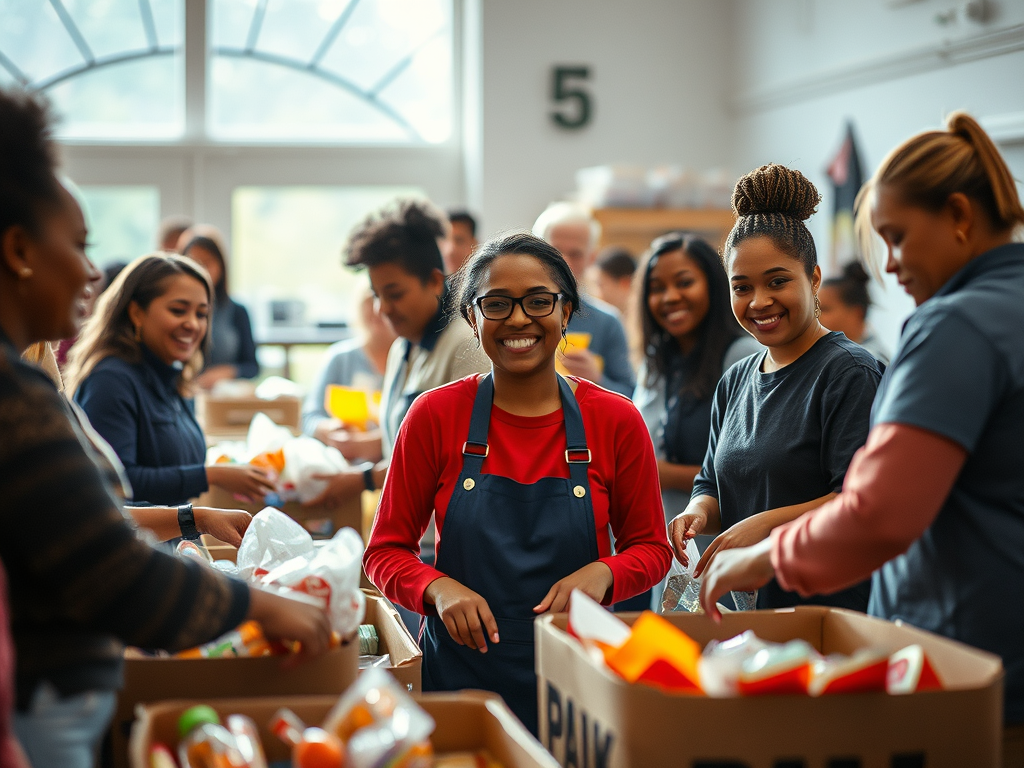
Food Sorting and Packing: Volunteers in this role help sort donated food items. They check for quality and pack them into boxes for distribution. This task is crucial as it ensures that the food we distribute is safe and ready for our clients.

Distribution Assistance: On distribution days, volunteers help with handing out food to clients. They manage lines and ensure everyone receives their share. This role is perfect for those who enjoy interacting with people. It also suits individuals who want to see the direct impact of their efforts.

Special Events: Throughout the year, we host various events like holiday meal distributions and fundraising drives. Volunteers are essential for these events, helping with setup, coordination, and cleanup.

Administrative Support: For those who prefer behind-the-scenes work, we have opportunities in data entry, phone support, and other administrative tasks. This support is vital for keeping our operations running smoothly.

Section 3: Benefits of Volunteering

Volunteering with Narberth Community Food Bank offers many benefits. You’ll experience the personal fulfillment that comes from knowing you’re making a difference in your community. It’s also a great way to meet new people and build a sense of community. Additionally, volunteering can help you gain new skills and experiences that can be valuable in your personal and professional life.

Section 4: How to Get Started

Getting started as a volunteer is easy! Follow these steps:

  1. Visit our website: Go to www.narberthcommunityfoodbank.org and navigate to the volunteer application section.
  2. Fill out the application form: Finish the volunteer application form with your details and availability.
  3. Attend a training session: We offer training sessions to make sure all volunteers are prepared for their roles. Check our website for upcoming training dates.
  4. Start volunteering: Once you have completed the training, you’ll be ready to join us during our operating hours.

For any questions or extra information, you can contact us at 484 754 6404.

Section 5: Volunteer Testimonials

Here are some words from our current volunteers:

  • John: “Volunteering at Narberth Community Food Bank has been one of the most rewarding experiences of my life. I’ve met so many wonderful people and have seen firsthand the difference we make.”
  • Emily: “I started volunteering to give back to my community, but I’ve gained so much more. The friendships I’ve made and the skills I’ve learned are invaluable.”

These testimonials highlight the positive impact that volunteering has not only on our clients but also on our volunteers.

Conclusion

We invite you to join our team and make a difference in our community. Volunteers are essential to our mission, and we can not do it without you. If you’re ready to take the next step, visit our website or contact us for more information.

Call to Action

Ready to make a difference? Join our team today! Visit Narberth Community Food Bank or contact us at Narberth Community Food Bank to get started.

By joining our team, you’ll be helping to fight hunger and bring hope to those in need. We look forward to welcoming you to Narberth Community Food Bank!