

Spring is the perfect time to refresh and reorganize your home—including your pantry! A well-organized pantry can help reduce food waste, make meal planning easier, and even save you money by preventing duplicate purchases. At Narberth Community Food Bank, we believe that keeping a tidy pantry also means creating opportunities to give back. As you go through your shelves, consider donating unused, unexpired food to help families in need.
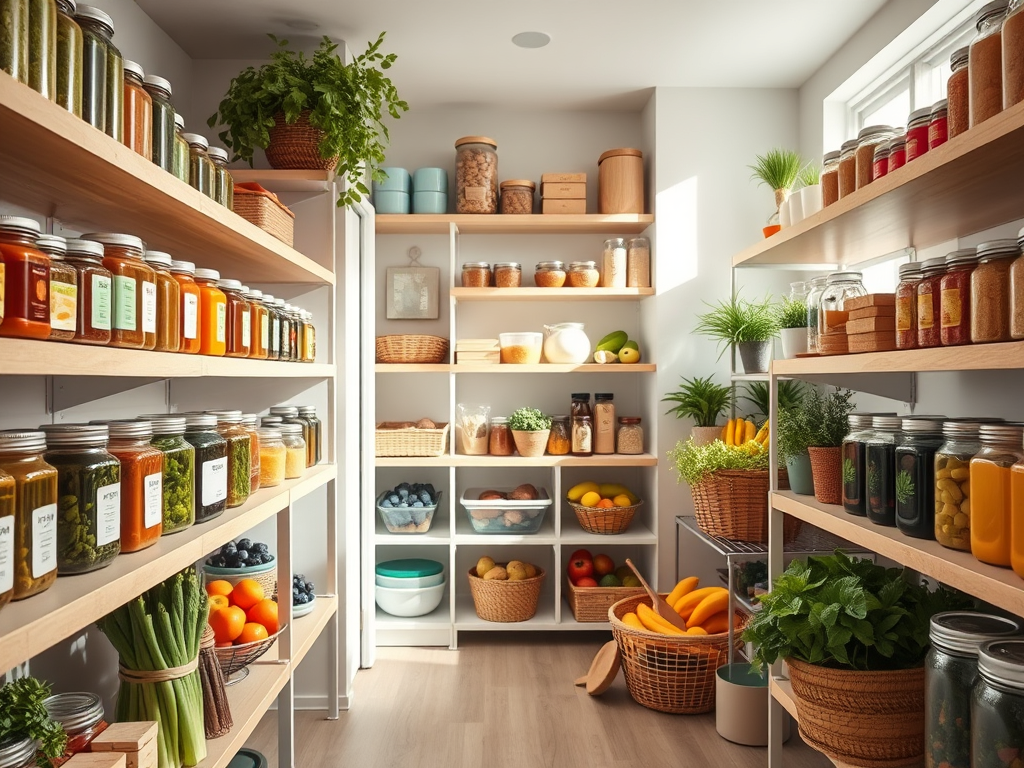
Here’s a step-by-step guide to organizing your pantry, plus tips on what to donate and how to make your food storage more efficient!
The best way to start organizing your pantry is with a clean slate. Take everything off the shelves and group similar items together. This helps you see what you have, what’s expired, and what you don’t need.
As you do this, make three piles:
✅ Keep – Items you regularly use and want to keep.
🗑 Discard – Expired or damaged items that are no longer safe to eat.
🎁 Donate – Unused, unexpired items you no longer need that could help someone else.
Carefully check expiration dates on canned goods, dry foods, and snacks. Some foods may still be safe to eat past their printed date, but if something looks off—bulging cans, odd smells, or damaged packaging—it’s best to discard it.
If you find food items that are:
✅ Unopened and in original packaging
✅ Not expired or close to expiration
✅ Non-perishable (canned goods, rice, pasta, peanut butter, etc.)
Then they’re great candidates for donation! Food pantries like [Your Food Pantry Name] always welcome shelf-stable essentials.
Before putting items back, take a moment to wipe down shelves, vacuum crumbs, and sanitize surfaces. This prevents pests and keeps your food fresh.
A simple cleaning solution:
🧼 Mix equal parts vinegar and warm water for an easy, non-toxic cleaner!
To make meal prep and grocery shopping easier, store similar items together:
For items you use often, place them at eye level so they’re easy to grab. Less frequently used items, like extra stock or baking ingredients, can go on higher or lower shelves.
A simple pantry list can prevent overbuying and ensure you always have essentials on hand. Keep a small whiteboard or notepad in your pantry to jot down what needs replenishing.
Now that your pantry is neat and organized, it’s time to share the extra food you found with those in need! Donations from households like yours help keep food pantries stocked and ready to serve the community.
📍 Find Your Local Food Pantry – Visit Narberth Community Food Bank at 201 Sabine Avenue, Narberth, Pa. 19072 or check local organizations.
📦 Drop Off Donations – Most pantries accept donations during specific hours. Give us a call at [Phone Number] to check our schedule!
❤️ Spread the Word – Encourage friends and family to do a spring pantry cleanout and donate!
Spring cleaning isn’t just about tidying up—it’s about making intentional choices to create a more organized, efficient, and generous home. By clearing out your pantry, you’re not only reducing waste but also helping fight hunger in your community.
At Narberth Community Food Bank, we are grateful for every donation, big or small. This spring, as you declutter, remember that your extra food could be a lifeline for a family in need.
Ready to make an impact? Stop by [Your Food Pantry Name] to drop off donations or learn more about how you can help!
Happy Spring Cleaning! 🌸🍽

At [Your Food Pantry Name], we believe that everyone deserves access to healthy, delicious meals that are easy to prepare. One of the best ways to enjoy a nutritious meal without spending a lot of time in the kitchen is by making a Chicken Caesar Salad. This classic dish is simple, packed with protein, and made with ingredients you can often find at your local food pantry.

Whether you’re looking for a quick lunch, a light dinner, or a healthy meal to share with your family, this Chicken Caesar Salad is a great choice. Plus, we’ll share some tips on how to make it more budget-friendly and nutritious!
A Chicken Caesar Salad is a great meal because it’s:
✅ Nutrient-Rich – It contains protein from the chicken, fiber from the lettuce, and healthy fats from the dressing.
✅ Quick & Easy – This salad takes less than 30 minutes to prepare!
✅ Budget-Friendly – Many of the ingredients, such as lettuce, bread, and canned chicken, are affordable and accessible.
✅ Customizable – You can adjust the ingredients based on what you have on hand.
To make this simple Chicken Caesar Salad, you’ll need:
🛒 For the Salad:
🛒 For the Dressing (Homemade Caesar Dressing):
If using cooked chicken, simply dice or shred it into bite-sized pieces.
If using raw chicken, season it with salt and pepper, cook it in a pan over medium heat for about 6-8 minutes per side, then slice it into strips.
If you have leftover bread, turn it into homemade croutons!
💰 Use Canned Chicken – It’s affordable, shelf-stable, and easy to use in recipes.
💰 Make Your Own Croutons – Instead of buying expensive croutons, toast up leftover bread.
💰 Try Different Greens – Romaine is great, but any leafy greens (like spinach or iceberg) will work.
💰 Stretch the Meal – Add cooked pasta or extra veggies like cherry tomatoes or cucumbers to make the salad more filling.
🥑 Add More Healthy Fats – Mix in avocado or use a light dressing made with olive oil.
🌱 Make It Vegetarian – Skip the chicken and use chickpeas or tofu for protein.
🥚 Boost the Protein – Add a boiled egg for extra protein and nutrients.
This Chicken Caesar Salad is a versatile meal that works for all lifestyles. Whether you’re cooking for a family, preparing a quick lunch, or trying to eat healthier, this recipe is a simple and delicious option. Plus, many of these ingredients can be found at food pantries, making it accessible to those on a tight budget.
At [Your Food Pantry Name], we’re here to help you find nutritious food and easy meal ideas. If you’re in need of food assistance, stop by and see what resources we have available.
National Nutrition Month is the perfect time to try new, healthy meals! This Chicken Caesar Salad is a great way to enjoy a balanced meal with simple, affordable ingredients. Give it a try and let us know how you like it!
Have any favorite pantry-friendly recipes? Share them with us at [Your Food Pantry Name]—we love hearing how our community gets creative in the kitchen!
For more resources and food assistance, visit us at 201 Sabine Avenue, Narberth, Pa. 19072 or call 484 754 6404.
Happy cooking! 🍽️😊
March is National Nutrition Month, a time to focus on making informed food choices and developing healthy eating habits. At [Your Food Pantry Name], we believe that everyone deserves access to nutritious food, regardless of their financial situation. Eating well doesn’t have to be complicated or expensive—with the right knowledge and a few small changes, you can build healthier meals for yourself and your family.

This month, we’re sharing practical tips to help you eat well on a budget, maximize the nutritional value of your meals, and make the most of the resources available at your local food pantry.
When planning meals, aim for foods that provide the most nutritional value. Whole foods—those that are minimally processed and packed with vitamins, minerals, and fiber—help fuel your body and keep you feeling full longer.
✅ Choose Whole Grains – Swap white bread, rice, and pasta for whole-grain versions to get more fiber and nutrients.
✅ Eat More Fruits and Vegetables – Fresh, frozen, or canned (with no added sugar or salt) are all great options.
✅ Incorporate Lean Proteins – Beans, lentils, eggs, chicken, and canned tuna are affordable, protein-rich choices.
Planning meals in advance helps reduce food waste and saves money. Try these strategies to make the most of your grocery budget:
📌 Create a Meal Plan – Outline your meals for the week and make a shopping list before heading to the store.
📌 Buy in Bulk When Possible – Purchasing staple items like rice, beans, and oats in larger quantities can save money over time.
📌 Look for Sales and Discounts – Check weekly ads, use coupons, and take advantage of special deals on nutritious foods.
📌 Limit Sugary and Processed Foods – While they may be convenient, processed foods are often high in sugar, sodium, and unhealthy fats.
If you rely on food assistance programs or your local food pantry, you can still create healthy meals with basic ingredients. Here are some simple meal ideas using common pantry staples:
🥣 Oatmeal with Peanut Butter & Bananas – A hearty, high-fiber breakfast packed with protein and potassium.
🍲 Rice and Beans – A budget-friendly, protein-rich meal that provides essential nutrients.
🥗 Canned Tuna & Chickpea Salad – Mix canned tuna, chickpeas, olive oil, and vinegar for a quick, healthy meal.
🌮 Black Bean Tacos – Use canned black beans, tortillas, and spices for an easy, nutritious dinner.
Many sugary drinks, like soda and juice, contain empty calories and contribute to weight gain. Instead, opt for:
💧 Water – The best choice for hydration. Add lemon, cucumber, or mint for extra flavor.
🥛 Low-Fat or Plant-Based Milk – Provides essential nutrients like calcium and vitamin D.
🍵 Herbal Tea – A caffeine-free, hydrating alternative to sugary drinks.
Eating the right amount of food is just as important as choosing the right foods. Here are a few simple ways to avoid overeating:
🍽 Use Smaller Plates – This can help with portion control and prevent overeating.
🍴 Eat Slowly – Taking your time to chew and enjoy your meal allows your body to recognize when it’s full.
🥦 Fill Half Your Plate with Vegetables – This ensures you’re getting plenty of fiber and essential nutrients.
Reducing food waste is an important part of healthy eating. Instead of throwing away leftovers, repurpose them into new meals:
🍛 Leftover Rice? – Turn it into a stir-fry with frozen vegetables and eggs.
🍞 Extra Bread? – Make homemade croutons or French toast.
🍗 Leftover Chicken? – Shred it for tacos, soups, or salads.
If you or someone you know is struggling to afford nutritious food, there are resources available to help:
🥫 Visit [Your Food Pantry Name] – We provide healthy food options for individuals and families in need.
💳 Apply for SNAP Benefits – The Supplemental Nutrition Assistance Program (SNAP) helps low-income families purchase nutritious food.
🏥 Check Local Programs – Many community organizations offer free nutrition education, cooking classes, and food assistance.
Eating healthy doesn’t have to be expensive or difficult. By making small, intentional changes, you can improve your nutrition and overall well-being. This National Nutrition Month, challenge yourself to add more whole foods to your diet, cook at home more often, and make the most of the resources available to you.
At [Your Food Pantry Name], we’re here to support you on your journey to healthier eating. Visit us to access nutritious food and learn more about how we can help!
Spring is in the air! As the flowers bloom and the days grow longer, many of us take this time to deep clean our homes, reorganize our spaces, and refresh our surroundings. While you’re clearing out clutter and tidying up, why not put those unused items to good use? Donating your extra food and household goods to a local food pantry can make a significant impact on families in need.

At [Your Food Pantry Name], we serve individuals and families who rely on community generosity to meet their basic needs. This spring, as you go through your pantry, closets, and storage spaces, consider setting aside items that could benefit others.
Spring cleaning isn’t just about making your home look nice—it’s about creating a more organized and efficient space. It’s also an opportunity to assess what you have and determine what you no longer need. Here are a few reasons why spring cleaning and donating go hand in hand:
As you clean out your pantry, cabinets, and closets, here are some high-need items that food pantries like ours always appreciate:
Many families struggle to put food on the table, and your donations can help bridge the gap. Consider donating:
Basic hygiene products are often overlooked but are essential for health and dignity. Needed items include:
Many families struggle to afford basic cleaning products, which are not covered by food assistance programs. Consider donating:
Families with young children and pets often need extra support. Helpful donations include:
To ensure your donations are useful, follow these simple guidelines:
✅ Check Expiration Dates – Expired food cannot be distributed, so please ensure all items are within their use-by dates.
✅ Avoid Opened or Damaged Packages – Only donate items that are unopened and in good condition.
✅ Separate Items Thoughtfully – Packing similar items together (e.g., canned goods in one bag, hygiene products in another) helps with sorting.
✅ Consider Nutritional Value – Healthier options such as whole grains, low-sodium canned goods, and high-protein foods are especially helpful.
If you have a large donation or need assistance with drop-off, feel free to reach out to us!
If you don’t have extra items to donate but still want to make an impact, here are other ways you can support your local food pantry:
💰 Make a Monetary Donation – Financial contributions help us purchase fresh food and essential items in bulk.
👥 Volunteer Your Time – We always need helping hands to sort, distribute, and organize donations.
📢 Spread the Word – Share our mission with your friends and family to encourage more community support.
Spring cleaning is the perfect time to refresh your home and give back to those in need. Your unused items could make all the difference to a family struggling to get by. Let’s work together to build a stronger, more caring community—one donation at a time.
When it comes to supporting a cause that’s close to your heart, making a one-time donation can be a wonderful way to give back. However, setting up a recurring donation offers a more sustainable, long-term way to make an impact. Whether it’s for a food pantry, a local shelter, a children’s charity, or an international relief organization, recurring donations help ensure that nonprofits have the resources they need to continue their important work. In this blog post, we’ll walk you through how to set up a recurring donation, why it’s so impactful, and how it can create lasting change.

A recurring donation is an ongoing, automatic contribution made at regular intervals—whether it’s weekly, monthly, quarterly, or annually. Unlike a one-time donation, a recurring donation allows you to commit to a consistent, predictable level of giving that can have a profound impact on a nonprofit organization’s ability to plan, budget, and fund their programs over time.
Recurring donations are often set up via credit or debit card, bank transfers, or PayPal, and they are a convenient way to give without having to remember to send a donation each time. The beauty of recurring donations lies in their simplicity and the reliability they provide to the organizations that depend on them.
Nonprofits rely heavily on steady and predictable income to maintain their operations. By setting up a recurring donation, you help provide that stability, allowing them to plan their programs and services without worrying about the uncertainty of sporadic funding. Your commitment ensures they can continue their vital work, whether it’s providing food to families in need, funding educational programs, or delivering medical care to underserved communities.
A recurring donation doesn’t need to break the bank. Even small monthly contributions can add up over time, creating a meaningful impact. For example, donating $10 a month might feel like a modest commitment, but over the course of a year, that’s $120 that can go toward feeding a family, providing school supplies for children, or funding essential community programs. It’s an affordable way to give regularly without overwhelming your budget.
Sustainability is key for many nonprofits, and recurring donations are one of the most reliable ways to provide long-term support. When you commit to regular giving, you help an organization continue its programs year-round. Instead of relying on occasional fundraisers or one-off donations, recurring contributions provide the foundation for an organization to grow and expand its efforts over time.
Setting up a recurring donation means you don’t need to worry about remembering to donate each time. Once you’ve chosen the amount and the frequency of your donation, the process becomes automatic. You don’t need to track due dates or worry about missing an opportunity to contribute. Plus, many nonprofits allow you to modify or cancel your recurring donation at any time if your circumstances change.
In many countries, charitable donations are tax-deductible. By setting up a recurring donation, you may be able to enjoy the added benefit of a more predictable tax deduction at the end of the year. Many organizations will send you a summary of your annual contributions for tax purposes, making it easier to claim deductions during tax season.
Setting up a recurring donation is a straightforward process. Follow these simple steps to start making a lasting difference:
Before you begin, it’s important to choose a nonprofit organization that aligns with your values and goals. Whether you care about alleviating hunger, supporting education, protecting the environment, or helping those in need, take time to research reputable organizations that are making a real impact. Look for a nonprofit with transparent financials, a clear mission, and a track record of success.
Most nonprofit organizations make it easy to donate directly through their website. Once you’ve selected a charity, navigate to their “Donate” or “Support Us” page. This is typically where you’ll find information on how to make a one-time donation as well as the option to set up recurring donations.
Once you’ve arrived at the donation page, look for the option to donate on a recurring basis. Many organizations will offer a choice between a one-time donation or a recurring donation, often with pre-set options for monthly, quarterly, or yearly contributions. Some organizations even allow you to choose the specific frequency of your donations.
Next, you’ll need to decide how much you’d like to donate on a regular basis. Many organizations suggest giving levels based on their program needs (e.g., $10, $25, or $50 per month), but you can usually enter any amount that works for your budget. If you’re unsure of how much to give, think about what feels comfortable for you, keeping in mind that even smaller donations add up over time.
Once you’ve selected your donation amount and frequency, you’ll be asked to enter your payment details. Most nonprofits accept credit or debit cards, and some may offer the option to set up donations directly from your bank account or through PayPal. Ensure that your payment details are correct and that the donation platform is secure (look for HTTPS in the web address).
Before submitting your recurring donation, take a moment to review your information. Check the amount, frequency, and payment method to ensure everything is accurate. Many organizations will also ask for your contact information, which may include your email address to send you a confirmation receipt or provide updates on how your donation is being used.
After confirming your donation, you’ll be asked to set up automatic payments. This step ensures that your donation is processed on the schedule you’ve chosen (whether it’s monthly, quarterly, or annually). Once your donation is confirmed, your recurring contribution will automatically be deducted from your payment method without any additional action needed from you.
After setting up your recurring donation, you can rest assured that your gift will be making a meaningful difference. Many nonprofits will send you regular updates via email or social media about how your contribution is being used, allowing you to see firsthand the impact of your support. It’s a powerful feeling to know that you are contributing to something that matters, month after month.
Setting up a recurring donation is one of the most impactful ways to support causes you care about. It provides nonprofit organizations with the stability and resources they need to continue their essential work, all while offering you a convenient and manageable way to give. By committing to regular giving, you’re making a long-term difference in the lives of those in need and contributing to a brighter future for all.
If you’re ready to make a lasting impact, visit your chosen nonprofit’s website and set up your recurring donation today. Together, we can create lasting change, one contribution at a time.
At [Your Food Pantry Name], we are always grateful for the support of our generous community. Whether it’s volunteering your time, spreading the word, or making a much-needed donation, each gesture plays a vital role in helping us serve those in need. This month, we are reaching out to share a list of essential items that are urgently needed to ensure we can continue to provide meals and support to our neighbors in need. If you’re able, please consider donating any of the items below.

Canned soups are one of the most requested items at our food pantry, and for good reason. They provide a warm, filling meal that’s easy to prepare and versatile for all ages. Whether it’s a hearty vegetable soup, chicken noodle, or a classic tomato, these comforting meals help families stretch their food budgets and ensure everyone has something to eat during tough times. Donating canned soup helps us ensure that no one has to go hungry, no matter their situation.
Coffee and tea may seem like small luxuries, but for many, they are a cherished part of their daily routine. A cup of coffee can bring a sense of normalcy and comfort to someone facing hardship. Donations of coffee and tea—whether ground, whole bean, or loose-leaf—are always appreciated, as they help create a little bit of joy in the lives of those who may be struggling.
A nutritious breakfast is one of the most important ways to start the day. Cold cereal is a quick and easy option, especially for busy families, and old-fashioned oats provide a healthy, versatile breakfast choice. Whether it’s for a young child heading off to school or an adult trying to get through a busy workday, these items ensure that no one starts the day on an empty stomach.
Sometimes, we all need a little extra comfort in our lives—and what better way to bring some joy than with a stack of warm pancakes? Pancake mix and syrup are a great addition to any food pantry. They’re easy to prepare and can turn an ordinary morning into something special. Donating these items helps us offer a little bit of happiness to families who may not be able to afford such treats on their own.
Sugar is a pantry essential that is needed for cooking, baking, and adding a little sweetness to everyday life. Whether it’s for a homemade dessert, a cup of tea, or an addition to oatmeal, sugar is a necessary item that helps create comfort and nourishment. We are always in need of sugar donations to ensure that we can meet the diverse needs of those who rely on us.
Canned tuna is a pantry powerhouse—packed with protein and easy to store. It’s perfect for quick lunches or dinners, whether served in a salad, sandwich, or casserole. Having a supply of canned tuna helps us provide nutritious, affordable meals to those in need, and it’s an item that many families rely on during challenging times.
More and more people are embracing gluten-free diets, whether due to allergies, sensitivities, or personal preference. At [Your Food Pantry Name], we aim to offer something for everyone, which is why gluten-free products are always in high demand. This month, we are specifically in need of:
By donating these gluten-free items, you’re helping to ensure that families with dietary restrictions can still access the food they need.
Vegetarian meal pouches, such as chickpea Tikka Masala, are a convenient, ready-to-eat meal option that’s both nutritious and flavorful. These meals are particularly valuable for individuals who may not have access to a full kitchen or the ability to cook from scratch. When you donate these meal pouches, you’re providing a nourishing, easy-to-prepare meal that makes a big difference.
Shelf-stable milk—whether dairy or plant-based—is a must-have in any pantry. It has a long shelf life and can be used in everything from baking to making smoothies or adding to cereal. Donating all types of shelf-stable milk helps families ensure they always have access to this essential item, no matter their circumstances.
Nut butters (such as peanut butter, almond butter, or sunflower seed butter) and jelly are a classic comfort food, especially when paired with bread or crackers. These items provide protein, healthy fats, and a little sweetness, making them perfect for quick meals or snacks. We’re currently in need of all types of nut butters and jelly (grape and strawberry are particularly popular). When you donate these, you’re helping us provide nutritious options that families can rely on.
Dole Fruit Cups are a great option for anyone looking for a quick, healthy snack. They’re easy to pack in lunchboxes, can be eaten on the go, and provide a serving of fruit that’s often hard to come by in food pantries. These fruit cups make a perfect addition to any meal or snack time, especially for children or elderly individuals.
Beans are an essential part of any balanced diet. They are a great source of protein, fiber, and essential nutrients, and they are incredibly versatile. Whether canned or dried, all types of beans are needed at our pantry to help create filling meals that can feed a family. Beans are a pantry staple that everyone can rely on, whether in chili, salads, or soups.
Pasta is a favorite in many households, and pasta sauce is the key to making that meal special. Whether it’s marinara, garlic and herb, or a bolognese sauce, donating jars or cans of pasta sauce helps us provide complete meals to families who may not have the means to buy these extras. Pasta sauce is a pantry item that brings families together over a hearty meal.
A little bit of spice and flavor can make a world of difference in a meal. Jarred salsa, harissa, and BBQ sauce are great for adding zest to simple dishes, and they are popular in many different cuisines. Donating these condiments helps us provide variety and flavor, making mealtime more enjoyable for those who rely on our pantry.
We believe that no one should have to choose between feeding their family and caring for their pets. That’s why we also accept donations of kitty litter, so that families with cats can keep their furry companions comfortable and healthy. Donating kitty litter is just one more way to support our community.
Conclusion
Your donations make an incredible difference in the lives of families and individuals who rely on [Your Food Pantry Name] each month. Every item you give helps ensure that we can provide nourishing meals, snacks, and essential household items to those in need. If you are able to donate any of the items on our list, we would be incredibly grateful. Together, we can continue to support our neighbors and create a community where no one goes hungry.
Thank you for your continued generosity and support!
In a world where uncertainty often feels constant, a simple act of kindness is powerful. It reminds us of the good that still exists. Donations—whether of food, time, or money—are a lifeline for many individuals and families facing difficult times. But it’s not just about what’s given; it’s about the lives that donations touch and the hope they bring. Here are some heartwarming stories that illustrate just how much donations can truly change lives.

Maria, a single mother of three, had always prided herself on her ability to provide for her children. But when the pandemic hit and her hours at the local diner were cut, things began to unravel. Bills piled up, and the pressure of providing for her kids began to weigh heavily on her. Despite her best efforts, she just couldn’t keep up.
One afternoon, a friend mentioned a local food pantry that was offering free groceries to families in need. Maria hesitated at first. Asking for help was something she had never done, and she feared it might be seen as a personal failure. But with her children needing meals, she swallowed her pride and made the trip.
Walking through the doors of the pantry was the first step toward something new. She was greeted with warm smiles and kindness, not pity. She walked away with bags of nutritious food. It was more than enough to get her family through the week. She also received the emotional lift she desperately needed. That simple donation of food was not merely a short-term fix. It served as a spark that renewed her determination to keep going. Maria focused on finding a new job. Within a few months, she secured a stable position at a new restaurant. For Maria, the donation wasn’t just about food. It was about restoring her faith in herself. It was also about restoring her faith in the kindness of strangers.
John, a retired veteran, had always prided himself on his independence. After serving in the military, he had built a quiet life for himself in a small town. A series of health issues left him unable to work. His savings quickly dwindled. He found himself struggling to make ends meet. John faced physical challenges. Additionally, he grappled with the mental burden of not being able to provide for himself.
One day, his doctor recommended he visit the local food pantry. At first, John resisted. He had always been self-sufficient, and accepting help felt uncomfortable. But after a week of living on bare necessities, he decided to give it a try.
Walking into the food pantry was a humbling experience for John, but he was met with understanding, not judgment. He was given a warm meal, fresh produce, and enough non-perishables to last him through the week. For John, it wasn’t just about the food; it was about restoring his dignity. The pantry staff listened to his story. They offered resources for his medical care. They made him feel like a part of the community again. That simple act of kindness gave John the strength. He reached out for other forms of assistance, such as job retraining and mental health services. With the food pantry’s support, John regained his confidence and his independence.
When donations pour in, it’s not just the adults who benefit—children’s lives are transformed as well. A local school shares one of the most touching stories. They partner with the food pantry. This partnership ensures that children receive nutritious meals. Many of the families in the area are working multiple jobs. They are facing financial hardships. The last thing they want is for their children to go hungry. One child, Emma, was particularly affected by this initiative. She frequently arrived at school early. She often went straight to the cafeteria because it was the only place she could get a healthy meal. Emma’s teacher noticed her quiet demeanor and lack of energy.
When Emma shared that she sometimes didn’t have food at home, the teacher reached out to the pantry for help. The difference was noticeable almost immediately. Emma’s focus and energy in class improved, and she began to open up to her teachers and peers. Her grades improved, and she started participating in after-school activities. For Emma, that steady supply of food allowed her to thrive in school. It also made her feel more secure at home.
Every donation creates a ripple effect, often touching lives in ways that are impossible to predict. Take the example of a local community food drive. Last year, a group of high school students organized a canned food collection to support the pantry. What started as a small initiative quickly grew as more people heard about the cause. Local businesses joined in, offering incentives for donations, and even local churches pitched in.
This bounty of food didn’t just fill the pantry’s shelves. It ensured that dozens of families could rely on having enough to eat. This included families of elderly individuals and young children. What’s even more heartwarming is how the ripple effect continued. Some families benefited from the drive. Later, these families went on to volunteer at the pantry. They continued the cycle of generosity. The simple act of giving created a community of people committed to helping one another.
The power of donations cannot be overstated. A single mother finds hope in a bag of groceries. A veteran regains his independence. These stories show how donations—no matter how small—can profoundly impact people’s lives. When communities come together to give, they provide more than just food or goods. They offer something even more powerful. They bring hope, dignity, and the reminder that no one has to face their struggles alone.
Every donation, every act of kindness, contributes to a brighter future for those who need it most. Whether it’s food, time, or financial contributions, each gesture of support helps build a stronger, more compassionate community. The next time you donate, remember that you’re not just giving an item—you’re changing a life.
Valentine’s Day is often seen as a time to celebrate love, but at its heart, it’s about connection and care. This year, we’re turning the spotlight on a love that truly transforms lives—the love for our community. At our food pantry, Valentine’s Day provides an opportunity to share that love. We ensure everyone in our community feels valued. Our community should also feel supported and nourished. Let’s explore how we can all join together to spread kindness and compassion this Valentine’s season.

Food insecurity continues to be a pressing issue for families across the country, and our community is no exception. Every day, individuals face difficult choices—between paying rent or buying groceries, between medication or a meal. For many, the support of food pantries can be the difference between going hungry and having enough to eat.
Valentine’s Day reminds us that love isn’t just an emotion; it’s an action. It’s about showing up for those who need us most and ensuring that no one feels forgotten. By coming together, we can make this season a little brighter for our neighbors in need.
Valentine’s Day encourages small acts of love. These acts can make a big impact. Here are some simple yet meaningful ways you can share the love this year:
Over the years, we’ve witnessed countless acts of kindness that have warmed our hearts. From children donating their allowance to local businesses hosting charity events, our community’s generosity never ceases to amaze us. One memorable moment was when a couple celebrated their anniversary by volunteering at our pantry. They shared their love not just with each other but with everyone who walked through our doors that day.
These stories remind us that love has the power to ripple outward. It inspires others to give. It encourages them to care and to connect. This Valentine’s Day, let’s add more chapters to this story of love and community.
This year, we’re inviting you to join us in making Valentine’s Day not just about romantic love. It’s about a love that binds us all together. Here are some ways you can get involved:
While Valentine’s Day is a wonderful time to spread love, the need in our community doesn’t stop after February 14th. We can commit to ongoing support through regular donations. Volunteering or advocacy are also ways to help. This ensures that the spirit of Valentine’s Day lasts all year long.
Together, we can create a community where everyone has access to nutritious food. Kindness will be abundant. Love will be the foundation of everything we do.
This Valentine’s Day, let’s come together to show what love can do. You can make a difference through a donation. A kind word can also help. Even a few hours of your time can be valuable. Every act of generosity helps build a stronger, more compassionate community.
Love is at the heart of everything we do. With your help, we can ensure that everyone in our community feels its warmth. Thank you for sharing the love this Valentine’s Day and beyond.
As we step into another year, the work of food pantries remains more critical than ever. Across the nation, food pantries have been the backbone of communities. They ensure that individuals and families facing food insecurity have access to essential nutrition. However, the road hasn’t been easy, and the challenges they face continue to evolve. Let’s take a closer look at how food pantries are doing. We should examine the hurdles they face. Their incredible resilience in the face of adversity is noteworthy.

One of the most notable trends across food pantries nationwide is the sustained surge in demand. Even as the immediate economic impacts of the pandemic have begun to stabilize, the lingering effects are still deeply felt. Inflation, rising housing costs, and stagnating wages mean that many families are struggling to make ends meet. According to Feeding America, 1 in 8 Americans—or about 38 million people—faced food insecurity in 2023.
Food pantries often serve as the last line of defense. They have seen an uptick in visitors. Many of them are seeking help for the first time. Some pantries report serving double or even triple the number of households compared to pre-pandemic levels. This surge has placed enormous pressure on resources, staffing, and supply chains.
Another significant challenge is the strain on the food supply chain. Donations from grocery stores, restaurants, and food manufacturers—once a reliable source of inventory—have declined in recent years. This is due in part to better inventory management and less surplus food being generated. At the same time, inflation has driven up the cost of purchasing food in bulk. This makes it harder for pantries to stretch their budgets.
Government programs like the Emergency Food Assistance Program (TEFAP) have provided some relief. However, the need often outpaces the available support. Many food pantries must innovate as a result. They seek partnerships with local farms, food recovery organizations, and other creative sources of food supply.
Volunteers have always been the lifeblood of food pantries, but the landscape of volunteerism has shifted. During the pandemic, many older volunteers—who traditionally make up a large portion of the workforce—stepped back due to health concerns. There has been a resurgence of interest from younger volunteers and corporate groups. However, training and retaining a consistent volunteer base remains a challenge.
Food pantries are adapting by offering flexible scheduling. They are also providing remote opportunities for administrative tasks. Additionally, they implement better recognition programs to keep volunteers engaged. Still, the gap in manpower is felt acutely in many areas, particularly in rural and underserved communities.
To meet increasing demand and improve efficiency, many food pantries are turning to technology. Online scheduling systems have streamlined operations. Mobile apps help with client registration. Inventory management tools also assist, allowing pantries to serve more people with fewer resources. Digital platforms have enabled pantries to communicate directly with clients. They can inform clients of distribution times, special programs, and resources in real-time.
However, the digital divide remains a concern. Not all clients have access to smartphones or reliable internet. Some may struggle with language barriers or navigating new systems. Food pantries are working to balance technological advancements with accessibility to ensure no one is left behind.
Amidst these challenges, food pantries across the nation are finding creative solutions to continue their mission. For instance:
The success of food pantries depends on the support of their communities. Here are a few ways you can make a difference:
Food pantries across the nation are doing heroic work, but they can’t do it alone. As we look to the future, we must address systemic issues like poverty, affordable housing, and living wages. This will be crucial to reducing the need for food pantries. Until then, these organizations will continue to be a lifeline for millions of Americans. They embody the spirit of resilience, compassion, and community.
Let’s work together to ensure no one goes hungry. Your support, in whatever form it takes, can make a world of difference.
 Narberth Community Food Bank