Monthly Giving: The Impact of Consistent Support

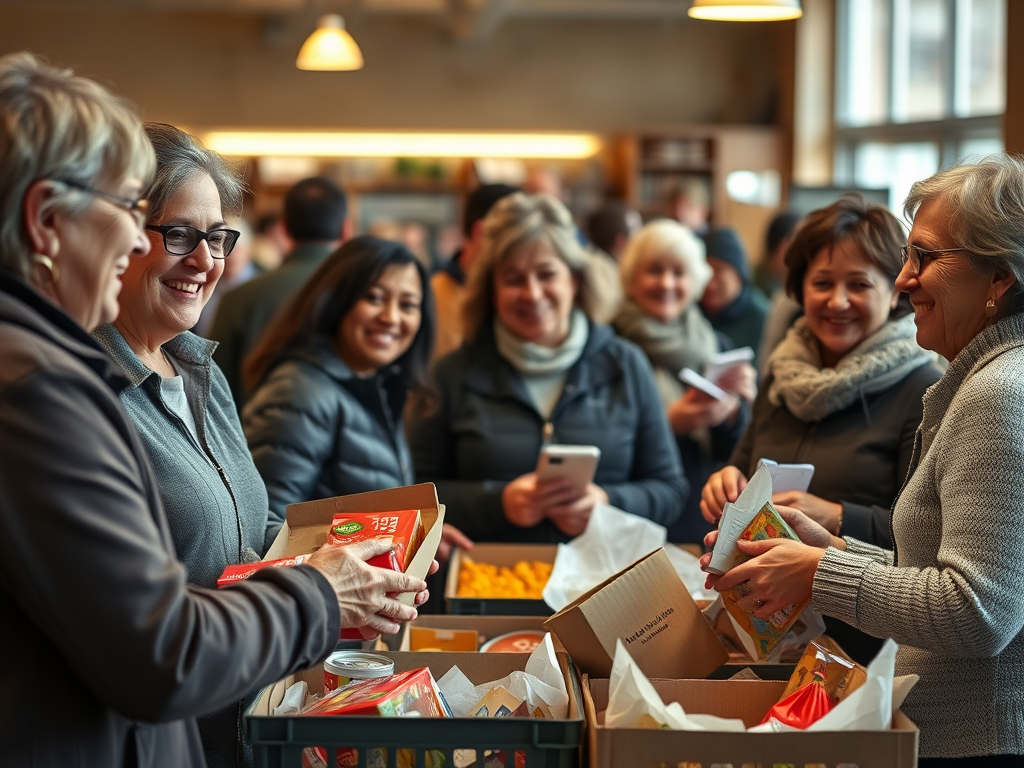
At our food pantry, we are constantly amazed by the generosity of the community. Whether it’s a one-time donation or a large event, every contribution helps. It makes a difference in the lives of those we serve. One type of giving stands out as a game-changer for our organization. It also impacts the individuals who rely on us. This type of giving is monthly giving.

In a world where many things are uncertain, monthly giving provides stability and consistency. Nonprofits like ours need these qualities to plan, grow, and continue serving those in need. For donors, the benefits of monthly giving go far beyond just contributing to a cause. It creates a deeper connection to the mission. It fosters a sense of ongoing impact. It also helps organizations provide reliable, year-round support to vulnerable communities.

If you’ve ever wondered how consistent, small donations can make a big difference, let us share with you. Monthly giving is transforming lives. It impacts both those who receive assistance and those who give.

What is Monthly Giving?

Monthly giving is a type of recurring donation. In this model, supporters commit to giving a specific amount of money each month to a cause. These contributions can be as little as $5 or as much as you feel comfortable giving. The key is that the gift happens automatically each month, allowing the nonprofit organization to rely on steady, predictable support.

This regular, automatic giving helps food pantries like ours plan ahead. It makes it easier to purchase food. It allows us to provide resources. It also helps us expand our outreach. We can rely on a consistent influx of donations that align with our monthly budget. This consistency ensures we can continue to meet the growing needs of our community.

How Monthly Giving Supports Stability

One of the biggest advantages of monthly giving is the stability it provides.

Planning and Budgeting: Food pantries are often faced with fluctuating donation levels depending on the time of year. For example, donations might be higher during the holiday season but drop off in the summer months. Monthly giving smooths out these fluctuations, ensuring that we have a steady flow of resources to draw from year-round. This makes it easier to budget and plan for long-term sustainability.

Consistent Support for Families in Need: Regular donations help us provide steady support to families. Individuals who depend on us benefit greatly from this assistance. For instance, we can ensure families get nutritious food every month. This prevents interruptions and helps them avoid food insecurity during challenging times.

Building Long-Term Relationships: Monthly giving also allows us to build long-term relationships with our donors. As a monthly supporter, you can see the tangible impact of your contributions over time. When you help to stock our shelves, you become part of the ongoing efforts. You provide access to emergency food services. You also assist with our other programs. Together, we combat hunger and poverty in our community.

The Ripple Effect of Monthly Donations

While each monthly donation might seem small on its own, the cumulative impact is enormous. Let’s break down how these contributions create a ripple effect that benefits everyone involved.

  1. For the Pantry: Reliable Resources
    With a consistent monthly income from donors, we can secure the resources we need. This allows us to provide high-quality food and services. When we have a steady stream of funding, we can negotiate better rates with suppliers. We can plan larger distributions. We can also reach more people in need. The reliability of monthly giving gives us confidence that we can continue our work without the worry of fluctuating donations.
  2. For Those Who Receive Help: Meeting ongoing needs can be challenging.
    Families and individuals who rely on food pantries often require assistance for an extended period. A one-time donation may help in the short term. Monthly donations ensure that we can provide a continuous safety net for those facing hunger. A single month of support may not be enough to help someone get back on their feet. A monthly commitment ensures that families have a reliable source of food and resources. They can work toward stability with this support.
  3. For Donors: The Satisfaction of Making a Lasting Impact.
    For those who choose to make a monthly donation, the satisfaction comes from knowing. You are part of something greater than yourself. Monthly givers witness the direct and lasting impact of their contributions. You feel proud because your ongoing support provides food. It also offers hope and dignity to those who need it most. It’s not just a gift; it’s a commitment to making the world a better place, one month at a time.

How Monthly Giving Makes a Difference: Real-Life Impact

The impact of monthly giving is evident in real-life stories. These stories are from those who have benefited from our food pantry’s services.

  • Maria and her Children: Maria, a mother of three, lost her job during the pandemic. She struggled to provide food for her children. Thanks to monthly supporters like you, we were able to provide Maria with weekly food deliveries. With consistent support, she was able to focus on finding a new job without worrying about feeding her family.
  • The Garcia Family: The Garcia family lives in a small apartment in a neighborhood where many struggle with food insecurity. Their monthly donation supports our ongoing efforts. This helps provide families like theirs with fresh produce, pantry staples, and essential household items. Thanks to consistent donors, the Garcias can access the food they need while working toward financial stability.

Becoming a Monthly Donor: Simple and Powerful

Becoming a monthly donor is easy. Many food pantries, including ours, have online platforms. You can set up automatic donations through your bank account or credit card there. You can choose the amount that works for your budget, and your donation will be deducted automatically each month. It’s a hassle-free way to contribute to a cause you care about.

In addition, many nonprofits offer special perks or recognition for their monthly donors. These perks include updates on the impact of their contributions. There are also invitations to special events or access to exclusive newsletters.

Conclusion: The Power of Consistent Support

Monthly giving offers a simple, yet powerful way to make a lasting impact. For food pantries like ours, it provides the stability needed to meet ongoing needs and plan for the future. For families facing hunger, it ensures they have a reliable safety net. Donors experience a deep connection to a cause. They feel the satisfaction of knowing they are making a real difference every month.

Whether you’re new to giving or looking for a way to deepen your support, consider becoming a monthly donor. Your consistent support can change lives, one meal at a time.

Thank you for your continued generosity and commitment to helping us fight hunger in our community. Together, we can make a lasting difference.

a cardboard box full of money with a tag on the box that says donate

Hearty and Comforting Slow Cooker Beef Stew Recipe

Hearty and Comforting Slow Cooker Beef Stew Recipe

As the weather turns cooler, there’s nothing quite like a warm, hearty meal to bring comfort to the table. A classic beef stew is the perfect solution for chilly nights. It’s even better when it’s made in the slow cooker. This slow cooker beef stew recipe requires minimal prep. The ingredients are easy to find at your local food pantry. It’s perfect for feeding a crowd or preparing meals in advance.

This stew is delicious and satisfying. It is a great way to use pantry staples like potatoes, carrots, and onions. It’s budget-friendly, simple to prepare, and packed with flavor. Let’s dive into this recipe. You can start warming up your kitchen with the savory smells of a slow-cooked meal.

Why Choose Slow Cooker Beef Stew?

Slow cooking is a wonderful way to infuse flavors into your ingredients. Cook the stew on low heat over several hours. The beef becomes tender. The vegetables soak up the rich broth. This creates a melt-in-your-mouth experience. Plus, slow cooking is hands-off. You can prep everything in the morning, and by dinner time, you’ll have a warm, comforting meal waiting for you.

This recipe can also be adapted easily for whatever ingredients you have on hand. If you have extra potatoes or a few more vegetables from your pantry, toss them in! Slow cooker recipes are forgiving and can be customized to your tastes.

Slow Cooker Beef Stew Recipe

Ingredients (serves 6-8 people)

  • 2 pounds of beef stew meat (look for cuts like chuck roast, trimmed and cubed)
  • 4 medium potatoes, peeled and diced
  • 4 medium carrots, peeled and sliced
  • 1 large onion, chopped
  • 2 cloves garlic, minced
  • 4 cups beef broth (low-sodium if possible)
  • 1 cup frozen peas (optional but adds a nice pop of color and texture)
  • 2 teaspoons salt (or to taste)
  • 1 teaspoon black pepper
  • 1 tablespoon dried thyme (or 3 sprigs of fresh thyme)
  • 1 tablespoon dried rosemary
  • 2 tablespoons tomato paste
  • 1 bay leaf
  • 1/4 cup all-purpose flour (for thickening)
  • 2 tablespoons olive oil or vegetable oil
  • 1 tablespoon Worcestershire sauce (optional, but adds depth of flavor)

Instructions

  1. Brown the Beef (Optional, but Recommended):
    This step isn’t absolutely necessary. However, browning the beef before adding it to the slow cooker helps develop more depth of flavor. To do this, heat a large skillet over medium-high heat. Add the olive oil and let it warm up. Once hot, add the beef stew cubes in batches to avoid overcrowding the pan. Brown the beef on all sides, which should take about 4-5 minutes. Once browned, transfer the beef to the slow cooker.
  2. Prepare the Vegetables:
    Peel and dice the potatoes into bite-sized cubes. Slice the carrots into coins or half-moons. Chop the onion and mince the garlic. Add all the vegetables directly to the slow cooker with the browned beef.
  3. Add the Seasonings and Broth:
    Sprinkle the salt, pepper, thyme, rosemary, and bay leaf over the meat and vegetables. Stir in the tomato paste, which will help thicken the stew as it cooks and add a rich, savory flavor. Pour in the beef broth, making sure the ingredients are mostly covered. If you don’t have quite enough broth to cover everything, don’t worry! The stew will cook down and the vegetables will release some liquid, creating a flavorful broth.
  4. Cook on Low:
    Set your slow cooker to low and let the stew cook for 7-8 hours. If you’re in a hurry, cook it on high for 4-5 hours. Using a low and slow method yields the most tender beef and richly developed flavors. Try not to open the lid during the cooking process, as this will release heat and slow the cooking time.
  5. Thicken the Stew (Optional):
    Toward the end of the cooking time, you may want to thicken the stew. In a small bowl, whisk together the flour with a couple of tablespoons of cold water until smooth. Slowly stir this mixture into the stew. Cover it and cook for an additional 30 minutes. This allows the stew to thicken.
  6. Add the Peas:
    About 30 minutes before serving, stir in the frozen peas, if you’re using them. They’ll warm through and add a pop of color to your dish.
  7. Serve and Enjoy:
    Once the stew has finished cooking and thickened to your liking, discard the bay leaf. Check for seasoning. Add more salt and pepper if necessary. Ladle the hearty stew into bowls, and enjoy the comforting, satisfying flavors of your homemade beef stew.

Tips for Success

  • Meat Selection: Choosing the right cut of beef is important. Chuck roast or stew meat works best because it becomes tender and flavorful when slow-cooked. Avoid lean cuts like sirloin, which can become tough during long cooking.
  • Vegetable Variations: Feel free to mix in other vegetables. Consider using parsnips, turnips, or even green beans if you have them in your pantry. This recipe is versatile and can be adjusted based on what you have on hand.
  • Freezing Leftovers: If you have leftovers, slow cooker beef stew freezes well! Let it cool to room temperature, then store it in an airtight container or freezer-safe bag. Reheat on the stove over low heat, adding extra broth if needed.

Conclusion

This slow cooker beef stew is a fantastic dish. You can prepare it for family dinners, potlucks, or to stock your freezer with easy meals. With just a few basic ingredients from your pantry, you can create a meal that’s both nourishing and delicious. Best of all, it’s incredibly easy to make. This lets you spend more time enjoying the company of those around you. You can cook this beef stew for a crowd. It is also perfect for feeding your family. This recipe will warm both your heart and your home.

Happy cooking!

a cardboard box full of money with a tag on the box that says donate

Celebrate the Season with Delicious Holiday Cookies

holiday cookies

The Joy of Holiday Baking

Baking cookies during the holidays isn’t just about the end result—it’s about the experience. Mixing ingredients, cutting out shapes, and decorating cookies can be a fun activity to share with family and friends. It’s a creative and rewarding way to make memories while crafting something truly special. Plus, the aroma of fresh cookies baking in the oven is enough to make anyone’s day a little brighter!

A Simple and Versatile Holiday Cookie Recipe

This recipe is for classic sugar cookies—a favorite that’s easy to make and endlessly customizable. You can decorate them with colorful icing, sprinkles, or edible glitter to suit any theme or occasion. The recipe is straightforward and perfect for bakers of all skill levels.


Classic Holiday Sugar Cookies

Ingredients:

  • 2 1/2 cups (315g) all-purpose flour
  • 1/2 teaspoon baking powder
  • 1/4 teaspoon salt
  • 3/4 cup (170g) unsalted butter, softened
  • 3/4 cup (150g) granulated sugar
  • 1 large egg
  • 2 teaspoons vanilla extract
  • Optional: 1/2 teaspoon almond extract for added flavor

For Decorating:

  • Royal icing or powdered sugar glaze
  • Food coloring
  • Sprinkles, edible glitter, or candies

Instructions:

  1. Preheat and Prepare: Preheat your oven to 350°F (175°C) and line baking sheets with parchment paper.
  2. Mix Dry Ingredients: In a medium bowl, whisk together the flour, baking powder, and salt. Set aside.
  3. Cream Butter and Sugar: In a large bowl, use an electric mixer. Beat the softened butter and granulated sugar together until it is light and fluffy. This process takes about 2-3 minutes.
  4. Add Wet Ingredients: Beat in the egg, vanilla extract, and almond extract (if using) until well combined.
  5. Combine Dry and Wet Ingredients: Gradually add the dry ingredients to the wet ingredients, mixing just until a dough forms. Avoid overmixing.
  6. Chill the Dough: Divide the dough into two portions, flatten each into a disk, and wrap them in plastic wrap. Refrigerate for at least 1 hour. Chilling helps the dough hold its shape during baking.
  7. Roll and Cut: On a lightly floured surface, roll out one disk of dough to about 1/4-inch thickness. Use cookie cutters to cut out shapes and transfer them to the prepared baking sheets.
  8. Bake: Bake the cookies for 8-10 minutes, or until the edges are just starting to turn golden. Let them cool on the baking sheets for 5 minutes before transferring to a wire rack to cool completely.
  9. Decorate: Once the cookies are completely cool, decorate them with royal icing, glaze, or your choice of toppings. Let the decorations set before serving or storing.

Tips for Perfect Holiday Cookies

  1. Room Temperature Ingredients: Ensure the butter and egg are at room temperature for smoother mixing.
  2. Don’t Overbake: Sugar cookies should remain soft and tender. Keep an eye on them as they bake and remove them when the edges are lightly golden.
  3. Personalize: Use different cookie cutter shapes, colors, and decorations to make your cookies unique.
  4. Storage: Store cookies in an airtight container at room temperature for up to one week. You can also freeze undecorated cookies for up to three months.

Share the Sweetness

Holiday cookies are more than just a dessert—they’re a way to share kindness and joy. Package them in festive boxes or bags as gifts for neighbors, friends, or coworkers. You can also organize a cookie swap with your community to try a variety of holiday treats.

Baking cookies is a wonderful way to celebrate the season while bringing smiles to those around you. Whether you’re baking solo or with loved ones, this sugar cookie recipe is sure to become a cherished tradition. Happy baking and enjoy the sweetness of the season!

a cardboard box full of money with a tag on the box that says donate

Volunteer Appreciation: Celebrating Our Team


Introduction

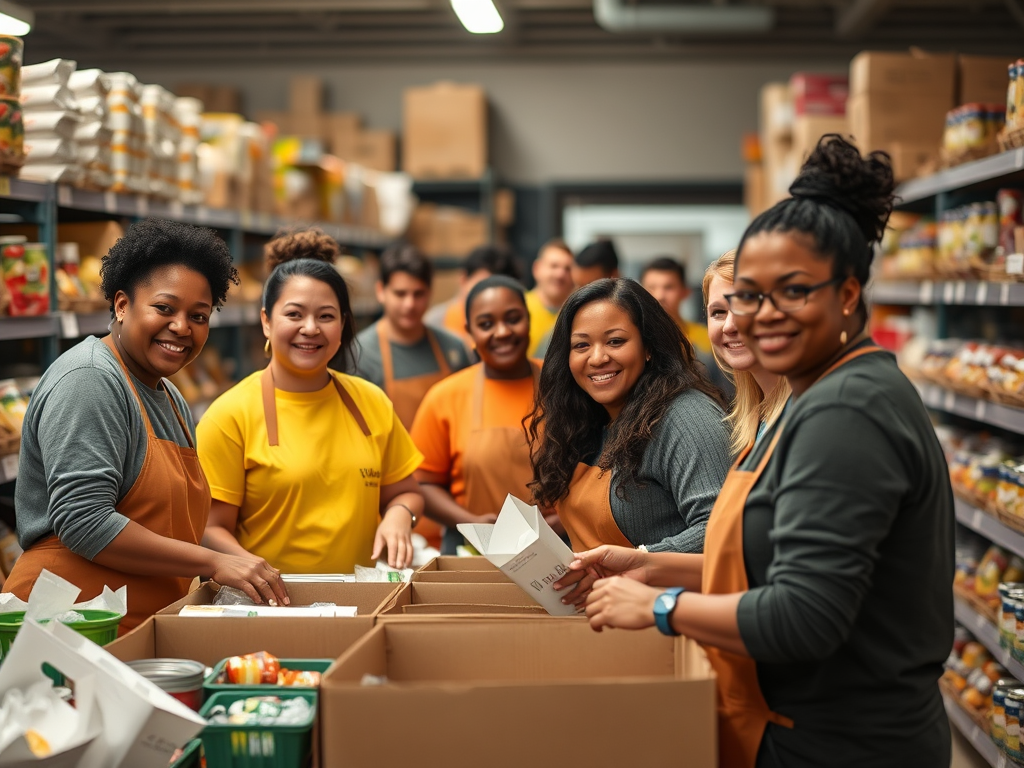
Volunteers at a local food bank

“Volunteers don’t get paid, not because they’re worthless, but because they’re priceless.” This quote captures the spirit of incredible individuals. They dedicate their time, energy, and passion to helping others. At Narberth Community Food Bank, our volunteers are the lifeblood of our mission. Their efforts ensure that families facing food insecurity have access to nutritious meals, hope, and dignity.

Our volunteers sort donations, distribute food, and lend a listening ear to those in need. They make a tangible difference in the lives of countless community members. Today, we want to take a moment to celebrate and express gratitude for their hard work, compassion, and unwavering dedication. This blog post is our way of saying “thank you” to the amazing individuals who make our work possible.


The Heart of the Pantry: What Volunteers Do

Behind every meal served and every box of groceries distributed, there’s a team of volunteers making it all happen. Their contributions span a variety of essential tasks that keep our pantry running smoothly.

Essential Roles: Volunteers sort and organize donations. They pack food boxes and distribute meals to families. They even assist with administrative tasks like scheduling and record-keeping. During busy periods, they help manage special events. They coordinate food drives and community outreach efforts. They ensure no one in need goes unseen.

Going Above and Beyond: Time and again, our volunteers go the extra mile. They step in to cover shifts during high-demand seasons. They bring specialized skills like grant writing or event planning. They also offer emotional support to clients. Their dedication knows no bounds.

Impact on the Community: The numbers speak for themselves. Last year, our volunteers contributed over 3,000 hours of service. This effort enabled us to provide over 10,000 meals to individuals and families in need. Their collective effort has created a ripple effect of positivity that extends far beyond the walls of our pantry.


Stories from the Pantry: Spotlighting Volunteers

Every volunteer brings their own unique story, and their collective impact forms the heart of our pantry. Here are just a few of the remarkable individuals who inspire us every day:

Long-Time Volunteer: Maria’s Dedication
Maria has been volunteering with us for over a decade. She started by helping sort canned goods and soon became one of our most dependable team members. “For me, it’s about giving back,” Maria says. “I was once in a position where I needed help, and now I get to be the one helping others. It’s incredibly fulfilling.” Maria’s warmth and consistency have made her a favorite among both clients and fellow volunteers.

Fresh Perspective: Alex’s First Year
Alex is a college student. They joined our team just last year. Alex has brought fresh energy and creative ideas. Alex proposed an initiative to create recipe cards for pantry recipients, helping families make the most of their ingredients. “I’ve learned so much about the power of small gestures,” Alex shares. “It’s not just about the food—it’s about showing people that someone cares.”

Extraordinary Impact: Sarah’s Leadership
Sarah, a retired teacher, organized a community-wide food drive that collected over 2,000 pounds of food. She also took on the role of mentoring new volunteers, ensuring they felt welcome and prepared. “It’s amazing to see how people come together for a shared purpose,” Sarah says. “When we work as a team, we can achieve incredible things.”

These stories highlight the hard work of our volunteers. They also showcase the personal connections that are formed. Transformative moments make our pantry a special place.


The Ripple Effect of Volunteering

Volunteering is not a one-sided act of giving—it creates a profound impact for everyone involved.

Positive Outcomes: For recipients, the support of volunteers means access to basic necessities and the knowledge that they’re not alone. For volunteers, the experience fosters personal growth, deepens empathy, and provides a sense of purpose. Many say they find the friendships they’ve created very rewarding. Others feel a deep sense of community is among the rewarding aspects of their work.

Inspiring Others: The dedication of our current volunteers often motivates others to get involved, creating a culture of generosity. One act of kindness can inspire a chain reaction. This amplifies the impact of our pantry’s mission, whether it’s a friend, family member, or coworker.


A Heartfelt Thank You

To our incredible volunteers: Thank you. Your commitment, compassion, and hard work are the reason we can serve our community with dignity and care. Whether you’ve been with us for years or recently joined the team, your efforts are deeply appreciated.

A special shout-out goes to Maria for her decade of service. We also acknowledge Alex for their creative contributions. We are grateful to Sarah for her extraordinary leadership. Your passion and dedication inspire us all.

You mean a lot to us. This is from the entire leadership team at [Your Food Pantry’s Name]. You are also invaluable to the people we serve. As our executive director says, “Our volunteers are more than helpers—they’re the heart of everything we do.”


Call to Action: Join Our Volunteer Family

Are you inspired by these stories? We’d love to have you join our team! There are many ways to get involved:

  • Make a Difference: Help us sort donations, pack food boxes, or assist with events.
  • Flex Your Skills: Whether you’re great at organizing, outreach, or something else, we’ll find a role for you.
  • Spread the Word: Share our mission with your friends and family and encourage them to get involved.

Visit our website or call [contact info] to learn more about volunteering opportunities.


Conclusion

Volunteers are the backbone of Narberth Community Food Bank, transforming lives with every hour they give. Their kindness and dedication create a ripple effect that strengthens our community and inspires hope.

To our volunteers: Thank you for all that you do. Together, we’re building a brighter, more compassionate future—one meal, one smile, and one act of kindness at a time.

a cardboard box full of money with a tag on the box that says donate

How to Make a Simple and Delicious Beef Pot Roast: A Comforting Classic

Here’s a simple and flavorful recipe for a classic beef pot roast:

How to Make a Simple and Delicious Beef Pot Roast: A Comforting Classic

There’s something undeniably comforting about a hearty beef pot roast. The rich aroma of slow-cooked beef, tender vegetables, and savory broth fills your home, making it the perfect dish for a Sunday dinner or a cozy weeknight meal. The beauty of a beef pot roast lies in its simplicity—it’s a one-pot meal that requires minimal hands-on time but delivers maximum flavor. Whether you’re a seasoned cook or a beginner in the kitchen, this recipe will guide you to a perfectly cooked pot roast that will leave everyone asking for seconds.

Why Beef Pot Roast is a Family Favorite

Beef pot roast is the ultimate comfort food, especially when the weather turns colder. It’s a dish that brings back memories of home-cooked meals, family gatherings, and special occasions. What makes it so beloved is its versatility. The dish is incredibly forgiving, meaning you don’t need to be an expert chef to get it just right. With a few simple ingredients, you can create a melt-in-your-mouth roast that’s packed with flavor.

The beauty of the pot roast is that it’s made with inexpensive cuts of beef, such as a chuck roast. These cuts are perfect for slow cooking because they have a lot of connective tissue and fat, which break down during the cooking process, making the meat incredibly tender and juicy. Combine that with vegetables like carrots, potatoes, and onions, and you’ve got yourself a complete meal that’s filling and satisfying.

Ingredients You’ll Need

Here’s a list of the ingredients you’ll need for this simple beef pot roast recipe:

  • 3-4 lb (1.5-2 kg) beef chuck roast (or another similar cut, like brisket or round)
  • 1 tablespoon olive oil (for searing)
  • Salt and pepper, to taste
  • 1 medium onion, chopped
  • 3 garlic cloves, minced
  • 3 medium carrots, cut into large chunks
  • 3 medium potatoes, cut into large chunks
  • 2 cups beef broth (or water with beef bouillon)
  • 1 tablespoon Worcestershire sauce (optional, for extra depth of flavor)
  • 1 teaspoon dried thyme (optional, for an herby touch)
  • 2 bay leaves (optional, for added aroma)

Step-by-Step Instructions

Step 1: Prepare Your Ingredients

Before you start cooking, it’s essential to have all your ingredients ready. Start by prepping your vegetables. Peel and chop the carrots and potatoes into large chunks so they can stand up to the long cooking time without falling apart. Chop the onion and garlic, and set aside the beef broth and any optional seasonings you’ll be using.

Step 2: Sear the Beef

One of the secrets to a flavorful pot roast is the searing process. This step locks in the juices and enhances the flavor of the beef. Heat the olive oil in a large oven-safe pot or Dutch oven over medium-high heat. Once the oil is hot, season the beef roast generously with salt and pepper. Place the roast in the pot and sear it on all sides for about 4-5 minutes per side, or until it develops a golden-brown crust. This caramelization adds a ton of depth to the final dish.

After searing, remove the roast from the pot and set it aside.

Step 3: Sauté the Aromatics

In the same pot, add the chopped onion and minced garlic. Sauté for about 2-3 minutes, stirring occasionally, until the onion softens and the garlic becomes fragrant. This step helps build the foundation of flavor for the entire dish.

Step 4: Add the Vegetables and Broth

Once the onions and garlic are sautéed, it’s time to add the vegetables and liquids. Layer the carrots and potatoes in the pot, surrounding the seared roast. Pour in the beef broth, making sure the liquid comes up about halfway around the beef. If needed, you can add a little more broth or water. For an extra burst of flavor, stir in the Worcestershire sauce, dried thyme, and bay leaves. These ingredients bring a savory, aromatic quality to the dish, but you can skip them if you prefer a simpler flavor.

Step 5: Roast in the Oven

Now that everything is in the pot, it’s time to cook the roast low and slow. Cover the pot with a lid and place it in a preheated 350°F (175°C) oven. Let it roast for about 3 to 3.5 hours, or until the beef is fork-tender and can easily be shredded. During this time, the flavors will meld together, and the meat will become incredibly tender as it braises in its own juices.

Step 6: Rest and Serve

Once the roast is done, remove it from the oven and let it rest for about 10 minutes before slicing or shredding. This resting period allows the juices to redistribute throughout the meat, keeping it moist and flavorful. Serve the roast with the cooked vegetables and a generous spoonful of the savory broth from the pot.

Tips for the Perfect Pot Roast

  • Don’t skip the searing: It’s easy to skip this step, but searing the beef roast creates a delicious crust that adds tons of flavor to the dish. Trust us, it’s worth the extra few minutes.
  • Low and slow: The key to a tender pot roast is cooking it at a low temperature for several hours. Don’t rush it! A slow roast ensures the meat becomes melt-in-your-mouth tender.
  • Use bone-in beef if possible: Bone-in roasts, like a bone-in chuck roast, often have even more flavor than boneless cuts. If you can find one, it’s worth considering.
  • Customize the vegetables: While carrots and potatoes are traditional, you can add other root vegetables like parsnips or turnips for extra flavor.
  • Leftovers: Pot roast makes for fantastic leftovers. The flavors develop even more the next day, and it can be used in sandwiches, soups, or stews.

Final Thoughts

A beef pot roast is the kind of dish that turns a simple meal into a comforting, delicious experience. It’s a perfect recipe to make for your family or friends, and it’s especially great for those times when you want a hearty meal without spending hours in the kitchen. The best part is that most of the work is done upfront, and the oven takes care of the rest. So next time you’re in the mood for a meal that’s both satisfying and easy to make, try this beef pot roast recipe—you’ll have a dish that everyone will rave about!

Client Stories: Thankful for Your Support

the words "thank you for your support" written in black underneath a photo of a group of paper sitting around a table having a good time

Behind every donation is a person whose life is changed, and behind every thank you is a story of hope. At our food pantry, the power of community support is evident in the lives we touch every day. This article shares real stories from the clients we serve, highlighting how food donations, volunteer efforts, and financial contributions make a tangible difference in people’s lives. The generosity of our community enables us to not only provide nourishment but also hope and stability.

The Power of Food Assistance

Client Story #1: Overcoming Hardship with Support

Meet Sarah, a single mother of two, who found herself facing an overwhelming challenge when she lost her job due to a company downsizing. With rent to pay and children to care for, Sarah’s situation quickly became dire. She struggled to provide nutritious meals for her kids, and the stress of the situation weighed heavily on her.

When Sarah first came to our pantry, she was relieved to receive a box of food to help sustain her family. The pantry provided her with a variety of staples—canned goods, fresh produce, and frozen items—that made it possible for her to prepare healthy meals despite her financial struggles. But beyond just food, the pantry gave Sarah the space to breathe. With the worry of how to feed her children lifted, she was able to focus on updating her resume and applying for new jobs.

With the help of the pantry, Sarah found a new job just a few weeks later. Her experience with our pantry was a turning point, and the assistance she received became a crucial stepping stone toward rebuilding her life.

The Broader Impact of Food Assistance

Our food pantry provides more than just meals. For individuals like Sarah, food relief allows them to focus on other important aspects of life, such as finding employment, managing health issues, or paying bills. In many ways, receiving food support is the first step toward regaining control and dignity during a difficult period. Knowing that their basic needs are met helps clients look ahead to brighter days and work toward achieving stability.

The Role of Community and Volunteer Support

Client Story #2: A Community of Care

Jason had been struggling with addiction for several years, and though he was in recovery, he found it hard to break the cycle of poverty that had come with his past. When Jason first came to our pantry, he was not only seeking food, but also a sense of belonging and support. Thanks to our team of compassionate volunteers, Jason received more than just groceries. He was connected with a volunteer who had experience in recovery and who offered emotional support and practical advice.

The volunteer helped Jason navigate the local resources available for people in recovery and even introduced him to a support group. The pantry’s network of volunteers didn’t just provide food—they provided care, encouragement, and a lifeline during a time when Jason felt like giving up. Today, Jason has a stable job and is continuing his journey toward self-sufficiency.

How Volunteers Make a Difference

Volunteers are the heart and soul of our pantry. Their time, energy, and compassion ensure that the food we provide is paired with understanding and care. Volunteers help clients with everything from picking out groceries to offering a listening ear, and their work has a profound impact on the people we serve. As one of our volunteers, Lisa, put it, “I volunteer because I know that even a small act of kindness can make a huge difference in someone’s life. When I see a client leave with a smile, I know that we’re doing more than providing food—we’re offering hope.”

The Importance of Community Involvement

The collective effort of donors, volunteers, and staff is what creates a robust support network that helps clients regain their independence and confidence. Every time a volunteer offers their time or a donor contributes food or funds, they are building this network of care. As a community, we come together to ensure that no one has to face hunger alone.

Financial Donations and Long-Term Impact

Client Story #3: More Than Just a Meal

Maria, a senior citizen with limited mobility, found herself in need of more than just food assistance. After a recent surgery, Maria was unable to drive or run errands, and her limited income made it difficult to afford transportation or special groceries she needed. Thanks to the financial donations we receive, we were able to not only provide Maria with regular food deliveries, but also assist with transportation to medical appointments and some extra funds to help with rent.

Maria’s life was transformed because of these donations. What started as a simple food delivery quickly turned into a comprehensive support system that helped her regain her independence. The financial gifts we receive make it possible to provide services beyond food, whether it’s helping clients with medical expenses, job search resources, or other unexpected costs that often arise in times of need.

The Ripple Effect of Monetary Contributions

Every dollar donated to our pantry stretches further than just feeding someone for a day. Monetary donations allow us to provide clients with services like transportation to job interviews, help with rent, or special groceries for dietary needs. It’s this kind of support that leads to long-term stability, and it’s only possible because of the generosity of our donors.

Highlighting the Impact of Recurring Donations

Recurring donations are especially impactful, as they provide consistent, reliable support to clients and ensure that our pantry can continue to serve the community year-round. This ongoing support helps us plan for the future, knowing that we can count on our donors to help us meet the needs of those in crisis.

Gratitude from Clients

“I don’t know where I would be without this pantry,” says Michelle, a single mother who received not only food assistance but also help in securing childcare and job resources. “You’ve not only filled our bellies but helped me find hope when I thought there was none left.”

Another client, Mark, shared, “I’ve always been proud to work for everything I’ve had, but when I lost my job, I felt embarrassed to ask for help. But the pantry never made me feel less than. They gave me food, and they gave me dignity.”

Conclusion

The impact of your support is immeasurable. Whether you donate food, give financially, or volunteer your time, you are directly changing lives and offering hope to our neighbors in need. Your generosity is not just filling empty stomachs—it’s giving people the chance to rebuild, recover, and rise again. Together, we can continue to provide hope and nourishment to our community.

Get Involved Today!
If you would like to help, please consider donating food, making a financial contribution, or volunteering your time. Visit [insert website or contact info] to learn how you can make a difference. Your kindness is changing lives.

donation is the missing puzzle

The Importance of Monthly Donations During the Holiday Season

At Narberth Community Food Bank, our mission is to fight food insecurity. We provide reliable access to nutritious food for individuals and families in need. We rely heavily on the generosity of donors, volunteers, and community partners to make this mission possible. The holiday season is a critical time for food pantries. Support often intensifies due to rising costs and additional holiday expenses. One-time donations are invaluable. Monthly contributions provide sustained support and make a lasting impact. These contributions help not only during the holidays but all year long.

In this article, we’ll explore why the holiday season amplifies food insecurity. We’ll also discuss the vital role of monthly donations. Finally, we’ll show how a small monthly gift can make a big difference.


1. Increased Need During the Holidays

The holiday season is a time for joy and celebration, but for many families, it also brings heightened financial stress. Extra expenses related to holiday meals, gifts, and gatherings can stretch already limited budgets. Many individuals face higher heating bills as winter sets in, further straining their resources. As a result, the demand for food assistance usually increases during this time. Families seek help from food pantries to make ends meet.

For pantries like ours, this seasonal increase can be overwhelming. Stocking enough food and meeting demand requires consistent resources, which is where monthly donations become essential. A steady stream of monthly support helps us meet the holiday demand surge. It ensures no family is turned away, no matter the season.


2. Why Monthly Donations Matter

Monthly donations serve as the lifeblood of sustainable support for food pantries. Here are three key reasons why:

Consistency: Monthly donations provide a reliable source of income that allows us to plan ahead and make better financial decisions. This predictable funding helps us stay prepared for busy times, like the holidays, without having to scramble for last-minute resources.

Planning: With regular contributions, our pantry can confidently budget and allocate resources. This ensures shelves are consistently stocked. Supplies are replenished. Families receive the support they need. This planning is vital for long-term stability, helping us manage peak demand while stretching donations further.

Support for Year-Round Needs: Hunger doesn’t only exist during the holidays. Food insecurity is a year-round challenge that requires year-round solutions. Monthly donations allow us to continue supporting families even after the holiday season ends. This support ensures they can access the resources they need any time of the year.


3. Monthly Donations Make Giving Easy

Monthly donations are not only impactful—they’re also convenient for donors. Supporters can set up an automatic monthly contribution. This allows them to spread out their giving over time. It makes it easier on their own budgets. They still help to feed families in need. Small monthly amounts can add up to a significant impact without the need for a large, one-time donation. Plus, with automatic payment options, there’s no need to remember each month, ensuring that support is consistent and dependable.

For many supporters, knowing they’re making a difference every month brings a sense of fulfillment. It also provides continuity in their contribution to the community.


4. The Lasting Impact of Monthly Donations

Monthly donations allow us to make significant improvements within our pantry. They help us expand our services for better community support. With steady funding, we can set goals like expanding pantry hours, adding nutritional education programs, and improving storage facilities. These improvements directly impact the quality of assistance we provide and empower families to make healthier choices.

Monthly donations have also allowed us to start new initiatives. One example is a fresh produce program. This ensures families can access nutrient-rich fruits and vegetables regularly. These consistent contributions fuel our vision for a pantry. This pantry not only provides food but also fosters dignity. It enhances health and instills hope.


5. How to Set Up a Monthly Donation

Setting up a monthly donation is quick and easy, and every dollar counts. Here’s how you can get started:

  1. Visit our website at [Website URL].
  2. Click on the “Donate” button.
  3. Select the “Monthly Donation” option and enter the amount you’d like to give each month.
  4. Enter your payment information and complete the setup.

It’s that simple! Each monthly donation is valuable. Whether it’s $5, $20, or more, it brings us closer to ensuring that no one in our community goes hungry.


Conclusion

This holiday season, and beyond, your support can help provide stability and nourishment for families facing food insecurity. Monthly donations offer a powerful way to create lasting change and allow us to prepare, plan, and meet needs consistently. By becoming a monthly donor, you support families during the holiday rush. You also ensure that help is available every day of the year.

If a monthly donation isn’t possible, there are many other ways to contribute! Volunteering your time, organizing food drives, or simply spreading the word can all make a difference.

Consider setting up a monthly donation today. Together, let’s help our neighbors have a brighter, more secure holiday season. Let’s also create a hopeful new year.


a cardboard box full of money with a tag on the box that says donate

Sweet Potato Casserole: A Delicious, Nutritious, and Pantry-Friendly Dish for Fall

1. Introduction

Sweet potatoes are a pantry staple for good reason. They are affordable and versatile. They are also packed with nutrients. This makes them a perfect choice for creating filling and nourishing meals. One classic dish that showcases the sweet potato’s delicious potential is sweet potato casserole. It has comforting sweetness. It also has a creamy texture. This makes the casserole a favorite for many families, especially during the colder months. You might be a fan of the marshmallow-topped version. Or, you might prefer a more subtle, spiced approach. Sweet potato casserole can be made with just a few basic ingredients. Often, you can find these in your pantry.

2. Why Sweet Potatoes?

Sweet potatoes have earned their place in kitchens worldwide due to their impressive health benefits. They’re high in fiber. This supports digestion. They are also loaded with vitamins A and C, which promote healthy skin, immune function, and eye health. Sweet potatoes are also rich in potassium, helping to maintain healthy blood pressure. In addition to their nutritional value, sweet potatoes are budget-friendly and widely available, making them accessible to many families. For food pantries, they’re an invaluable item. They can be turned into satisfying meals in various ways. Some methods include roasting, mashing, or baking.

3. Sweet Potato Casserole Basics

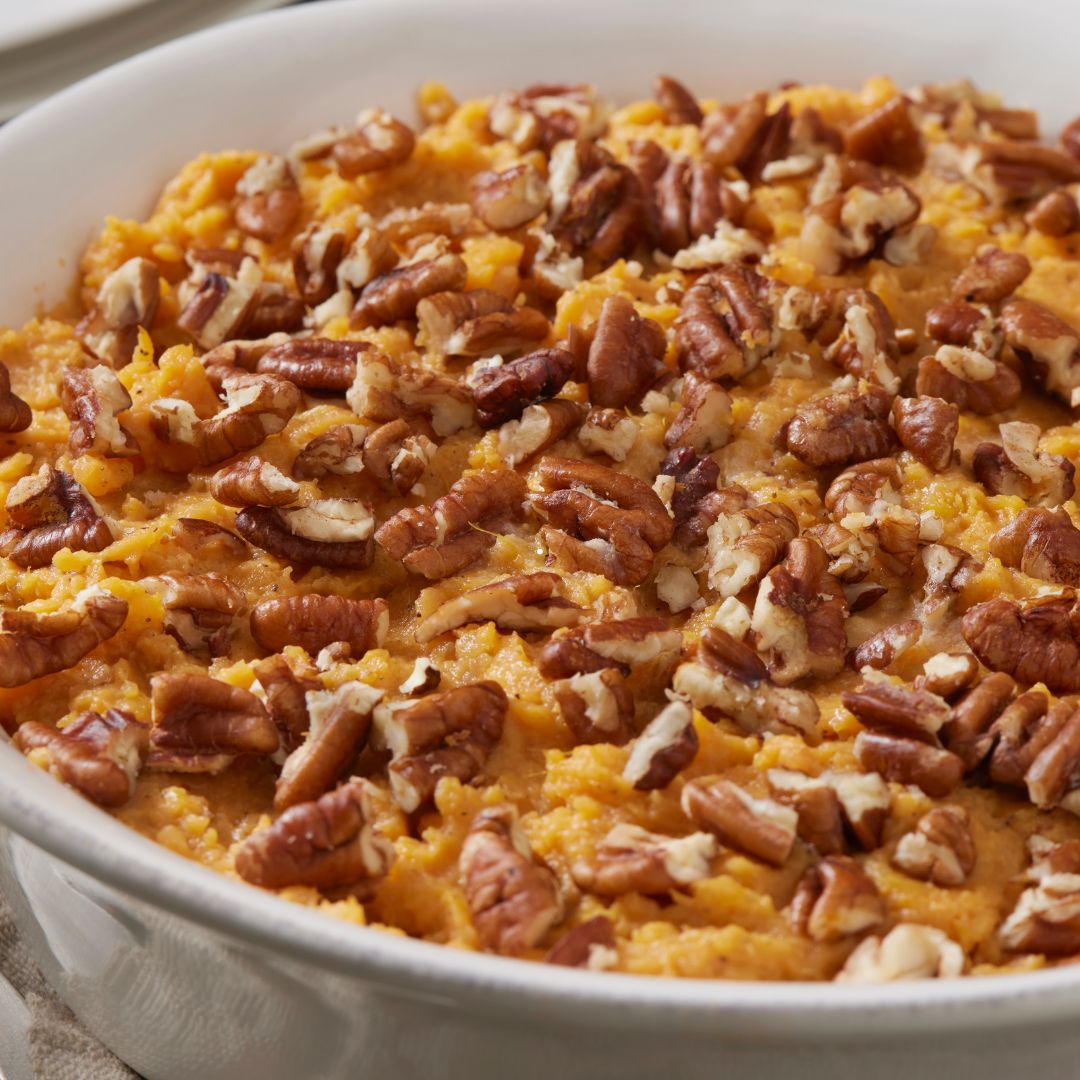
Sweet potato casserole is a warm, comforting dish. It combines cooked sweet potatoes with butter and a bit of brown sugar. Sometimes, it includes a sprinkle of spices like cinnamon or nutmeg. The mixture is then topped with marshmallows or pecans (or both!) and baked until golden and bubbly. Sweet potato casserole is special because of its simplicity and affordability. The ingredients are easy to find and often available in a pantry. If you don’t have pecans, use walnuts or sunflower seeds as substitutes. Adjust the sweetness by reducing or omitting the sugar for a more savory version. Even if you don’t have marshmallows on hand, you can use a crunchy oat topping. Add a hint of brown sugar for a delicious, crispy contrast.

4. Recipe for Sweet Potato Casserole

Here’s an easy recipe for a sweet potato casserole using simple ingredients that many people already have at home:

Ingredients:

  • 4 medium-sized sweet potatoes, peeled and cut into chunks
  • 2 tablespoons of butter or margarine (or 1 tablespoon of oil as a substitute)
  • 1/4 cup brown sugar (adjust to taste)
  • 1/2 teaspoon cinnamon (optional)
  • 1/4 teaspoon nutmeg (optional)
  • 1/2 cup mini marshmallows or 1/4 cup chopped pecans (optional for topping)

Instructions:

  1. Preheat your oven to 350°F (175°C).
  2. Boil or steam the sweet potatoes until they’re tender (about 15–20 minutes).
  3. Drain and mash the sweet potatoes, then mix in the butter, brown sugar, cinnamon, and nutmeg until smooth and creamy.
  4. Spread the mixture evenly into a baking dish.
  5. Top with marshmallows, pecans, or a sprinkle of oats mixed with a bit of brown sugar.
  6. Bake for 20–25 minutes until the topping is golden and the casserole is heated through.

Tip: For a savory twist, skip the sugar and add a pinch of salt and pepper instead. This creates a versatile side dish that pairs well with roasted vegetables or grilled meats.

5. Variations to Try

One of the great things about sweet potato casserole is its flexibility. Here are some ways to customize it:

  • Nut-Free: Replace pecans with sunflower seeds or oats for a crunchy topping.
  • Lower Sugar: Reduce or skip the brown sugar, and let the natural sweetness of the sweet potatoes shine through.
  • Spice It Up: Add a dash of cloves or ginger along with cinnamon and nutmeg for extra warmth and flavor.

Experimenting with these variations allows you to make the casserole exactly how you like it. You can cater to dietary needs or simply try something new.

6. How to Store and Repurpose Leftovers

Sweet potato casserole stores well, making it an ideal dish to prepare in advance or enjoy as leftovers. Here’s how to keep it fresh:

  • In the Fridge: Store any leftovers in an airtight container for up to 4 days.
  • In the Freezer: If you want to save it for later, portion the casserole into freezer-safe containers. It will keep for up to 3 months. Reheat in the oven or microwave for a quick meal.

Leftover sweet potato casserole can be repurposed in creative ways. Stir it into oatmeal for a cozy breakfast. Blend a small amount into a smoothie for a creamy, nutrient-packed treat. You can even add it to pancake or muffin batter to create flavorful, seasonal treats!

7. Nutritional Value and Serving Suggestions

Sweet potato casserole is more than a delicious dish—it’s a nutritious choice as well. Each serving provides fiber, vitamin A, and potassium, which support everything from digestion to eye health. This casserole can be enjoyed on its own. It’s even better when balanced with a side salad or roasted vegetables. This combination creates a meal that’s both comforting and nourishing. For a bit of protein, consider adding beans or roasted chicken as well.

8. Conclusion

Sweet potato casserole is a heartwarming dish that’s easy to make, nutritious, and affordable. You can create a comforting meal with just a few pantry items. Or you can make a side dish that’s perfect for any time of year. You can enjoy it as-is. You can experiment with variations. You can also find new ways to repurpose leftovers. There’s plenty of room for creativity. We encourage you to try this simple recipe and share your experience or your own twist with the pantry community. Happy cooking!

a cardboard box full of money with a tag on the box that says donate

Holiday Meal Planning: Tips and Recipes


Introduction

photo of a man cooking a meal

The holiday season is a time of joy, connection, and tradition. Much of that comes to life around the dinner table. For many, the holidays mean gathering with family and friends to share special meals filled with warmth and celebration. However, planning these meals can be overwhelming—especially when working on a budget. By organizing ahead, you can create a memorable holiday meal that’s both affordable and stress-free.

In this article, we’ll share practical meal-planning tips. We will provide budget-friendly recipes. There will also be creative ideas to help you make the most of the season without breaking the bank.


Section 1: Benefits of Planning Ahead

Save Money
Planning your holiday meal early allows you to take advantage of sales on staple items. Look out for deals on pantry essentials like canned vegetables, pasta, or baking supplies. Buying these items in advance saves you from last-minute price hikes and reduces the overall expense of your meal.

Reduce Stress
Having a meal plan keeps you organized, reducing the holiday rush. With a clear list of tasks and ingredients, you’ll feel more in control, whether shopping, preparing dishes, or cooking.

Ensure Variety
When you plan your menu, ensure your meal includes a range of dishes. These should be appetizers, main courses, sides, and desserts. This variety helps you cater to different preferences and dietary needs, making the meal enjoyable for everyone.


Section 2: Meal Planning Tips

Set a Budget
Before planning your menu, determine a budget that suits your financial situation. Knowing your spending limit allows you to make choices that balance cost with quality, avoiding overspending on last-minute luxuries.

Create a Menu
Choose simple yet satisfying dishes that are crowd-pleasers. Holiday classics like roast chicken, stuffing, mashed potatoes, and apple crisp offer comfort and familiarity without high costs.

Make a Shopping List
List every ingredient needed for each recipe. A thorough shopping list helps you avoid last-minute trips and impulse buys, sticking closely to your budget.

Prep Ahead
Save time by preparing some elements in advance. For example, you can chop vegetables the night before, marinate meats, or even bake certain desserts early. Prepping ahead makes the final meal prep much faster and less stressful.

Use Pantry Staples
Maximize what’s already in your pantry. Beans, rice, canned veggies, and spices are versatile ingredients that help you create satisfying dishes without a long grocery list. Consider recipes that rely on these common staples to cut costs.


Section 3: Holiday Recipe Ideas

Appetizers
Start the meal with simple, crowd-pleasing appetizers. Try a veggie tray with a homemade hummus dip, which uses inexpensive ingredients like chickpeas, garlic, and lemon. Another great option is deviled eggs, which are easy to make in bulk and inexpensive.

Main Course
For an affordable yet impressive main dish, try roast chicken with herbs. It’s flavorful, simple to cook, and usually less expensive than other meats. For a vegetarian option, a hearty vegetable and bean casserole brings warmth and comfort to the table.

Sides
Classic holiday sides like mashed potatoes, stuffing, and roasted vegetables are filling and affordable. They are easy to make in large portions. Add seasonal herbs like rosemary or thyme to bring out festive flavors.

Desserts
Close out the meal with low-cost desserts. Try apple crisp, which uses seasonal fruit. It also uses pantry ingredients like oats and cinnamon. Holiday cookies and bread pudding are also delicious and can be made in large quantities without high costs.


Section 4: Budget-Friendly Substitutions

Holidays can get expensive, but you can easily make budget-friendly swaps without sacrificing taste.

  • Vegetables: Opt for frozen vegetables instead of fresh—they’re more affordable, and their quality remains high.
  • Bread: Use day-old bread for stuffing. It’s cheaper and just as delicious.
  • Herbs: If fresh herbs are pricey, dried herbs are a great substitute and are often already in the pantry.

Many pantry staples can stand in for pricier ingredients, so be creative with what you have on hand!


Section 5: Meal Planning for Large Groups

Cooking for a big gathering? Try these strategies to stretch your budget and space:

  • Scale Recipes: Double recipes for staples like mashed potatoes or stuffing, which are filling and well-loved.
  • Serve Buffet-Style: Setting up a buffet allows guests to help themselves. This approach makes serving easier. It ensures everyone gets what they need.
  • Make the Most of Your Space: Use slow cookers, toaster ovens, and other appliances. These tools help free up stove space. They also keep everything warm.

These tips make it easier to manage large groups and keep meal preparation efficient.


Conclusion

Planning ahead makes holiday meals more manageable and enjoyable. Set a budget first. Then, create a menu and prep in advance. This way, you’ll be able to celebrate the season with delicious dishes without unnecessary stress. You can craft a meal that brings everyone together through budget-friendly recipes. Creative substitutions also help keep it affordable.

We hope these tips and recipes inspire you to start planning your holiday meal today. If you need additional assistance or more recipe ideas, feel free to reach out to our food pantry team. We’re here to help make your holiday season special and stress-free. Happy holidays!

a cardboard box full of money with a tag on the box that says donate