Spring Cleaning: Organizing Your Pantry

Spring is the perfect time to refresh and reorganize your home—including your pantry! A well-organized pantry can help reduce food waste, make meal planning easier, and even save you money by preventing duplicate purchases. At Narberth Community Food Bank, we believe that keeping a tidy pantry also means creating opportunities to give back. As you go through your shelves, consider donating unused, unexpired food to help families in need.
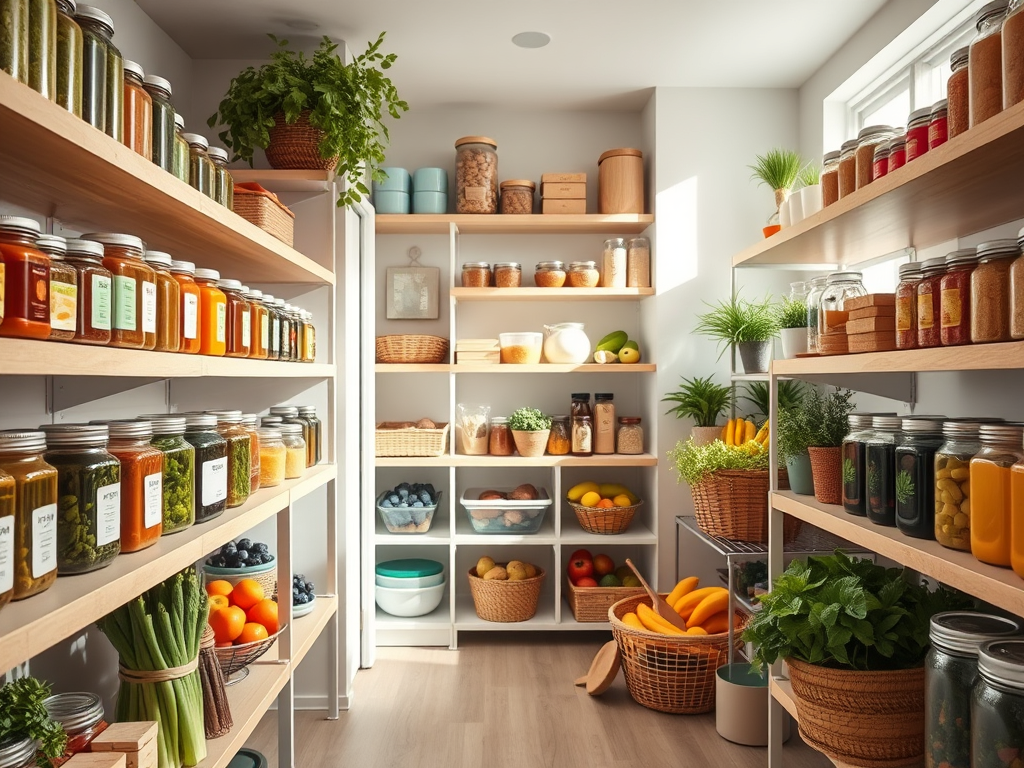
Here’s a step-by-step guide to organizing your pantry, plus tips on what to donate and how to make your food storage more efficient!


Step 1: Take Everything Out

The best way to start organizing your pantry is with a clean slate. Take everything off the shelves and group similar items together. This helps you see what you have, what’s expired, and what you don’t need.

As you do this, make three piles:
Keep – Items you regularly use and want to keep.
🗑 Discard – Expired or damaged items that are no longer safe to eat.
🎁 Donate – Unused, unexpired items you no longer need that could help someone else.


Step 2: Check Expiration Dates & Food Quality

Carefully check expiration dates on canned goods, dry foods, and snacks. Some foods may still be safe to eat past their printed date, but if something looks off—bulging cans, odd smells, or damaged packaging—it’s best to discard it.

What Can Be Donated?

If you find food items that are:
Unopened and in original packaging
Not expired or close to expiration
Non-perishable (canned goods, rice, pasta, peanut butter, etc.)

Then they’re great candidates for donation! Food pantries like [Your Food Pantry Name] always welcome shelf-stable essentials.


Step 3: Clean and Sanitize

Before putting items back, take a moment to wipe down shelves, vacuum crumbs, and sanitize surfaces. This prevents pests and keeps your food fresh.

A simple cleaning solution:
🧼 Mix equal parts vinegar and warm water for an easy, non-toxic cleaner!


Step 4: Organize by Category & Frequency of Use

To make meal prep and grocery shopping easier, store similar items together:

  • Grains & Pasta – Rice, quinoa, pasta, oats
  • Canned Goods – Soups, vegetables, beans, fruit
  • Baking Supplies – Flour, sugar, baking soda, chocolate chips
  • Snacks – Crackers, granola bars, dried fruit
  • Condiments & Sauces – Ketchup, mustard, salad dressings, cooking oils

For items you use often, place them at eye level so they’re easy to grab. Less frequently used items, like extra stock or baking ingredients, can go on higher or lower shelves.

Use Storage Bins & Labels

  • Clear containers help you see what you have and avoid buying duplicates.
  • Labels make it easy to find what you need quickly.
  • First In, First Out Rule – Place newer items behind older ones so you use the oldest food first.

Step 5: Keep a Pantry Inventory

A simple pantry list can prevent overbuying and ensure you always have essentials on hand. Keep a small whiteboard or notepad in your pantry to jot down what needs replenishing.


Step 6: Donate to Your Local Food Pantry

Now that your pantry is neat and organized, it’s time to share the extra food you found with those in need! Donations from households like yours help keep food pantries stocked and ready to serve the community.

How to Donate:

📍 Find Your Local Food Pantry – Visit Narberth Community Food Bank at 201 Sabine Avenue, Narberth, Pa. 19072 or check local organizations.
📦 Drop Off Donations – Most pantries accept donations during specific hours. Give us a call at [Phone Number] to check our schedule!
❤️ Spread the Word – Encourage friends and family to do a spring pantry cleanout and donate!


Final Thoughts: A Fresh Start for Spring

Spring cleaning isn’t just about tidying up—it’s about making intentional choices to create a more organized, efficient, and generous home. By clearing out your pantry, you’re not only reducing waste but also helping fight hunger in your community.

At Narberth Community Food Bank, we are grateful for every donation, big or small. This spring, as you declutter, remember that your extra food could be a lifeline for a family in need.

Ready to make an impact? Stop by [Your Food Pantry Name] to drop off donations or learn more about how you can help!

Happy Spring Cleaning! 🌸🍽

a cardboard box full of money with a tag on the box that says donate

Nourishing Hearts: Recipes and Tips for Heart-Healthy Eating

Heart health is a cornerstone of overall wellness. Making mindful food choices can significantly reduce the risk of heart disease. At our food pantry, we believe that everyone deserves access to nutritious, heart-healthy meals that promote long-term health. This month, we’re sharing tips, recipes, and strategies to help you incorporate heart-friendly foods into your daily life.

What Makes a Food Heart-Healthy?

Heart-healthy foods are those that support cardiovascular health by helping to manage cholesterol levels, blood pressure, and weight. These foods are rich in fiber, antioxidants, healthy fats, and essential vitamins and minerals. To create a heart-healthy diet, focus on:

  • Whole Grains: High in fiber, whole grains like oatmeal, brown rice, and whole-wheat bread help lower LDL (bad) cholesterol levels.
  • Fruits and Vegetables: Packed with antioxidants, potassium, and fiber, they protect the heart and promote overall health.
  • Lean Proteins: Opt for chicken, fish, beans, and legumes instead of red or processed meats.
  • Healthy Fats: Include sources like avocados, nuts, seeds, and olive oil while minimizing saturated and trans fats.
  • Low-Sodium Options: Excess sodium can increase blood pressure, so choose foods labeled “low sodium” or “reduced salt.”

Easy Heart-Healthy Recipes

Here are three recipes to inspire heart-healthy cooking. They’re simple, affordable, and delicious—perfect for any household.

1. Black Bean and Veggie Stir-Fry

  • Ingredients:
    • 1 can (15 oz) black beans, rinsed and drained
    • 2 cups mixed vegetables (e.g., bell peppers, broccoli, carrots)
    • 2 tablespoons olive oil
    • 2 tablespoons low-sodium soy sauce
    • 1 teaspoon garlic powder
    • 1 teaspoon ground ginger
  • Instructions:
    1. Heat olive oil in a large skillet over medium heat.
    2. Add mixed vegetables and sauté until tender, about 5-7 minutes.
    3. Stir in black beans, soy sauce, garlic powder, and ginger. Cook for another 2-3 minutes.
    4. Serve over brown rice or quinoa for a complete meal.

2. Berry Oatmeal Breakfast Bowl

  • Ingredients:
    • ½ cup rolled oats
    • 1 cup low-fat milk or a dairy alternative
    • ½ cup mixed berries (fresh or frozen)
    • 1 tablespoon chopped nuts (e.g., almonds or walnuts)
    • 1 teaspoon honey or maple syrup (optional)
  • Instructions:
    1. Cook oats in milk over medium heat until creamy, about 5 minutes.
    2. Top with berries, nuts, and a drizzle of honey or maple syrup if desired.
    3. Enjoy a warm, fiber-rich breakfast that’s good for your heart.

3. Baked Chicken with Sweet Potatoes and Green Beans

  • Ingredients:
    • 4 boneless, skinless chicken breasts
    • 2 medium sweet potatoes, diced
    • 2 cups green beans, trimmed
    • 2 tablespoons olive oil
    • 1 teaspoon paprika
    • 1 teaspoon garlic powder
    • Salt and pepper to taste
  • Instructions:
    1. Preheat oven to 375°F (190°C).
    2. Arrange chicken, sweet potatoes, and green beans on a baking sheet.
    3. Drizzle with olive oil and season with paprika, garlic powder, salt, and pepper.
    4. Bake for 25-30 minutes or until the chicken is cooked through and the sweet potatoes are tender.

Tips for Incorporating Heart-Healthy Habits

Making heart-healthy choices doesn’t have to be overwhelming. Here are some tips to help you get started:

  1. Cook at Home: Preparing meals at home allows you to control ingredients and portion sizes. This ensures they align with your dietary goals.
  2. Snack Smart: Choose heart-friendly snacks like fresh fruit, unsalted nuts, or whole-grain crackers instead of chips or sugary treats.
  3. Read Labels: Pay attention to nutritional labels to avoid hidden sodium, sugar, and unhealthy fats.
  4. Hydrate Wisely: Swap sugary beverages for water, herbal tea, or sparkling water with a splash of lemon.
  5. Experiment with Spices: Reduce salt intake by seasoning your meals with herbs and spices like basil, oregano, turmeric, and cumin.
  6. Stay Active: Pair your healthy eating habits with regular physical activity, such as walking, dancing, or gardening.

How We’re Supporting Heart-Healthy Choices

At our food pantry, we strive to provide options that align with heart-healthy eating principles. We offer whole grains and fresh produce. We also provide lean proteins and low-sodium canned goods. Our commitment is to ensure that our offerings support the well-being of our community.

We also offer educational resources like cooking demonstrations, nutrition workshops, and recipe cards. These are designed to help individuals and families make the most of the food they receive. If you have questions about creating heart-healthy meals or need inspiration, our team is here to help.

Building a Healthier Future Together

Heart health is a shared responsibility, and small changes can lead to big results. Choose heart-healthy foods. Try new recipes. Adopt mindful habits. We can all take steps toward a healthier, happier future.

As we celebrate American Heart Month, let’s remember something important. The food we eat not only fuels our bodies. It also nurtures our hearts. Together, we can create a community where nutritious meals and healthy lifestyles are accessible to everyone. Thank you for partnering with us in this mission, and here’s to many meals filled with love, health, and joy.

a cardboard box full of money with a tag on the box that says donate

Making a Difference Together: Supporting Our Pantry Guests This Holiday Season

happy people celebrating together

The year is drawing to a close. We’re reminded of the incredible impact our community can make when we come together. At Narberth Community Food Bank,our mission is to provide essential food and support to those in need. This time of year is particularly critical for many families who face added financial pressures during the holiday season. Your generosity has the power to bring hope and nourishment to countless individuals and families in our community.

The Growing Need for Support

The holidays are often portrayed as a time of abundance, filled with joyful meals and celebrations. However, for many of our pantry guests, this season can highlight the challenges they face. Rising costs of living, unexpected expenses, and financial hardships mean that families often struggle to put food on the table.

This year, we’ve seen an increase in demand for our services. Did you know that we had a 34% increase in request for services between September 2024 and December 2024. These numbers aren’t just statistics. They represent real people. Parents are striving to feed their children. Seniors live on fixed incomes. Individuals are working hard to make ends meet.

How Your Donations Make a Difference

Every donation, no matter the size, contributes to making life a little brighter for those in need. Here’s how your support helps:

  • Provides Nutritious Food: Your contributions enable us to fill our shelves with healthy staples. These include fresh produce, proteins, and whole grains. These items are essential for well-balanced meals.
  • Supports Specialized Programs: In addition to our pantry services, donations help us offer programs special programs for seniors and students.
  • Fosters Community Connections: Your generosity enables us to create a welcoming space where guests feel supported and valued.

With every dollar donated, we’re able to stretch resources further. This is possible thanks to partnerships with local food banks and retailers. Volunteers also contribute their time and expertise.

Stories of Hope and Gratitude

Behind every donation is a story of hope. Let us share a few words from some of our pantry guests who have been touched by your kindness:

  • “The pantry has been a lifesaver for me and my kids. The fresh produce and proteins mean I can cook meals that keep us healthy, even when times are tough.” — Sarah, pantry guest
  • “I’m on a fixed income, and the holidays can be really hard. Thanks to the pantry, I was able to share a warm holiday meal with my grandchildren.” — Robert, pantry guest

Your support transforms lives, providing not just food but also a sense of security and dignity.

Ways to Give Back This Season

There are many ways you can make a meaningful impact as the year comes to an end:

  1. Make a Monetary Donation: Financial contributions are the most flexible way to support our work. Consider making a one-time gift or setting up a recurring donation to sustain our efforts year-round.
  2. Organize a Food Drive: Rally your friends, coworkers, or community group to collect non-perishable items. Every can and box adds up to help stock our shelves.
  3. Volunteer Your Time: You can sort donations, distribute food, or assist with special events. Volunteers are the backbone of our operations.
  4. Spread the Word: Share our mission on social media or with friends and family. The more people who know about our work, the greater the impact we can make together.
  5. Matching Gifts: Check with your employer to see if they offer matching gifts. Many companies will double or even triple your donation.

Looking Ahead

As we prepare for the new year, we’re committed to expanding our reach. We aim to meet the growing needs of our community. This wouldn’t be possible without the generosity of supporters like you. Your contributions ensure that no one has to face hunger alone. Every person who walks through our doors feels seen, respected, and cared for.

A Final Note of Gratitude

To our donors, volunteers, and community partners: thank you. Your kindness and compassion are the foundation of everything we do. Together, we’ve made a difference in the lives of so many this year. With your continued support, we’ll carry this mission forward into the next.

As you consider your end-of-year giving, please think about the families who rely on Narberth Community Food Bank. Together, we can create a brighter, more hopeful future for all.

From all of us at Narberth Community Food Bank, we wish you a joyful and fulfilling holiday season. Thank you for being part of our community and for sharing in the spirit of giving.

a cardboard box full of money with a tag on the box that says donate

Stories of Joy: How Donations Spread End-of-Year Cheer


Introduction

people packing bags at a food bank

This November, our community showed incredible generosity. As a result, over 500 families left Narberth Community Food Bank with bags of food. They also had smiles on their faces. For many, this support meant not only a warm meal but also a sense of hope and belonging.

As the year winds down, donations become even more vital. The colder months often increase the need for support. This reflective time of year also inspires acts of kindness. At Narberth Community Food Bank, we are committed to ensuring that everyone has access to nutritious food. This is especially important during this meaningful time.

Donations do more than provide sustenance—they create connections, spread joy, and remind us all of the strength in community. By sharing these stories, we aim to demonstrate the ripple effect of acts of generosity in people’s lives. They uplift both the givers and the receivers.


The Power of Giving: How Donations Make a Difference

Every donation made to our pantry has a direct impact on someone’s life. It helps to meet both immediate needs and intangible emotional ones.

Meeting Basic Needs: The end of the year is often a stressful time for families facing food insecurity. Budgets are stretched thin, and the ability to put a nutritious meal on the table can feel out of reach. Donations ensure that everyone has access to essentials like fresh produce, pantry staples, and protein. For many, these contributions mean the difference between an empty table and a shared meal.

Creating Emotional Comfort: The food we provide goes beyond physical nourishment. A pantry box filled with thoughtful selections offers families a sense of normalcy and stability. Parents can prepare meals they’re proud to serve. Children can enjoy their favorite snacks. Individuals feel the reassurance that their community cares.

Building a Stronger Community: Donations foster connection in ways that transcend socioeconomic barriers. When one person gives, they’re not just offering a meal—they’re saying, “I see you, and you matter.” The act of giving unites people from all walks of life, building a stronger, more empathetic community.


Stories of Joy from the Food Pantry

A Parent’s Gratitude: Lisa is a single mother of two. She came to our pantry feeling overwhelmed by the weight of providing for her family. “I wasn’t sure how we’d get through the end of the year,” she shared. When she received a box filled with fresh ingredients and pantry staples, her relief was palpable. “It wasn’t just the food—it was the kindness behind it. I was able to cook a meal that brought my kids so much happiness. For the first time in months, I felt hopeful.”

A Volunteer’s Perspective: David, one of our dedicated volunteers, shares his experience. He recalls the joy of handing a box to a young couple last year. “They were so grateful, and as they thanked me, I saw how much it meant to them. It’s moments like these that make me proud to give my time. Knowing that I’m part of something bigger, something that brings joy and dignity to others, is the most rewarding experience.”

A Donor’s Reflection: Anna, a local business owner, began donating regularly to our pantry three years ago. “My grandmother relied on a food pantry when I was a child, and it changed our lives. Now I have the opportunity to give back. I want to ensure others receive the same support we did.” Anna says she’s constantly inspired by the impact of her contributions and encourages others to join her. “Knowing that even one family feels less alone because of my donations is worth everything.”


The Ripple Effects of Generosity

Acts of generosity during the end of the year often inspire long-lasting change.

Beyond the Moment: The joy and relief that donations provide don’t fade when the calendar turns. For many recipients, this kindness serves as a reminder that they’re not alone. It also sparks gratitude and inspires them to find ways to give back when they’re able.

Inspiring Others: When one person donates or volunteers, their story often motivates others to do the same. A single act of kindness can create a ripple effect. It multiplies the impact and builds a culture of compassion in the community.


Call to Action: How You Can Help

This end-of-year season, there are many ways to make a difference through [Your Food Pantry’s Name]:

  • Make a Contribution: Non-perishable items like canned goods, rice, pasta, and peanut butter are always in high demand. Fresh produce and financial donations are especially helpful in providing balanced meals.
  • Volunteer Your Time: From sorting donations to packing boxes or delivering food, there are numerous ways to help. Every hour of your time directly supports families in need.
  • Share Your Story: Have you been inspired by giving, receiving, or volunteering? Sharing your experience can encourage others to join in spreading end-of-year cheer.

Conclusion

The end of the year is a time to reflect on what truly matters—connection, kindness, and community. At [Your Food Pantry’s Name], we are continually amazed by the generosity of those who support our mission. Whether through donating, volunteering, or simply spreading the word, every action makes a difference.

Together, we can ensure that no one faces this time of year with an empty table or a heavy heart. Thank you for helping us create moments of joy, one meal at a time. As we look forward to a new year, let’s carry this spirit of generosity with us. We will build a brighter and more compassionate future for all.

a cardboard box full of money with a tag on the box that says donate