Tuna Salad Sandwiches: A Nutritious and Affordable Meal

At the Narberth Community Food Bank, we strive to provide our neighbors with nutritious and accessible food options. One of the best pantry staples we distribute is canned tuna—a versatile, protein-packed ingredient that can be turned into a delicious meal in just minutes.
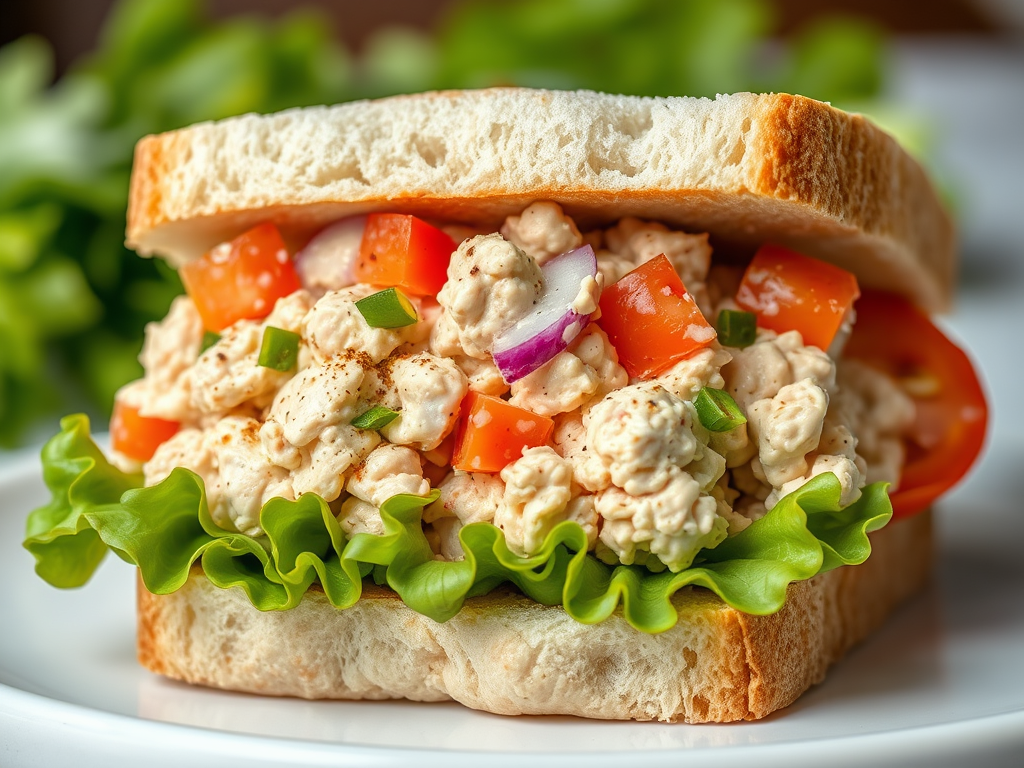
One of our favorite ways to use canned tuna is in Tuna Salad Sandwiches. This classic meal is not only easy to make but also affordable, filling, and packed with nutrients. Whether you’re preparing lunch for your family or need a quick and healthy meal, tuna salad is a go-to option that can be customized with whatever ingredients you have on hand.

Read on to learn about the benefits of tuna, tips for making a great tuna salad, and our easy, pantry-friendly tuna salad sandwich recipe!


The Benefits of Eating Tuna

Canned tuna is a nutritional powerhouse that offers a variety of health benefits:

🐟 High in Protein – Tuna is a great source of lean protein, which helps keep you full and supports muscle health.
💙 Heart-Healthy Omega-3s – These essential fatty acids are good for heart health and brain function.
🔋 Rich in Vitamins & Minerals – Tuna contains vitamin B12, iron, and selenium, which are important for energy and immunity.
🌎 Budget-Friendly & Shelf-Stable – Canned tuna is affordable, easy to store, and has a long shelf life, making it a great pantry staple.

With these benefits in mind, let’s dive into how to make the perfect tuna salad sandwich!


Classic Tuna Salad Sandwich Recipe

Ingredients:

🥫 1 (5 oz) can tuna, drained
🥄 2 tbsp mayonnaise (or plain yogurt for a lighter option)
🌿 1 tsp mustard (optional, for added flavor)
🥒 2 tbsp chopped pickles or relish (optional, adds crunch & tang)
🧅 2 tbsp diced celery or onion (optional, for extra crunch)
🧂 Salt & pepper to taste
🍋 1 tsp lemon juice (optional, for freshness)
🍞 4 slices of bread or rolls
🥬 Lettuce or tomato slices (optional toppings)


Instructions:

1️⃣ Prepare the Tuna:

  • Drain the canned tuna and place it in a mixing bowl. Use a fork to flake it into small pieces.

2️⃣ Mix the Ingredients:

  • Add mayonnaise, mustard (if using), pickles or relish, celery/onion, salt, and pepper.
  • Mix well until all ingredients are evenly combined.

3️⃣ Assemble the Sandwiches:

  • Spread the tuna salad onto a slice of bread.
  • Add lettuce and tomato if desired.
  • Top with another slice of bread or serve open-faced.

4️⃣ Serve & Enjoy!

  • Serve with a side of fruit, chips, or a small salad for a balanced meal.

Ways to Customize Your Tuna Salad

One of the best things about tuna salad is that it can be easily adjusted based on what you have available:

🥑 Healthy Swap: Use mashed avocado instead of mayo for a creamy, nutritious alternative.
🌶 Spicy Kick: Add a dash of hot sauce or a sprinkle of red pepper flakes.
🥕 Extra Veggies: Mix in shredded carrots, bell peppers, or cucumber for more crunch.
🥚 Protein Boost: Add chopped boiled eggs to make it even more filling.

No matter how you make it, tuna salad is a quick, nutritious, and satisfying meal that can be enjoyed in sandwiches, wraps, or even on top of a salad.


Why Meals Like This Matter

At the Narberth Community Food Bank, we aim to provide accessible, nutritious meals for families facing food insecurity. Recipes like this help stretch ingredients, making the most out of affordable pantry staples.

When you donate canned tuna, mayonnaise, or bread, you’re directly helping families prepare easy, nourishing meals. Simple meals like tuna salad sandwiches can bring comfort and stability to those who need it most.


How You Can Help

If you’d like to support the Narberth Community Food Bank, here’s how you can make a difference:

🍎 Donate Non-Perishable Foods – Canned proteins (like tuna), whole grain bread, and condiments are always in demand.
💰 Make a Financial Contribution – Every dollar helps us purchase fresh and healthy food for families in need.
🤝 Volunteer Your Time – Help sort donations, prepare food bags, or assist during distribution days.
📢 Spread the Word – Share our mission on social media or organize a local food drive.

Together, we can ensure that no family in our community has to go hungry.


Final Thoughts

Tuna salad sandwiches are a simple yet powerful meal—affordable, nutritious, and easy to prepare. Whether you’re making this for your own family or helping to provide meals for others through the Narberth Community Food Bank, every meal matters.

If you try this recipe or have your own favorite way to make tuna salad, we’d love to hear from you! Share your favorite variations and tag us on social media.

Thank you for being a part of our community and for supporting our mission to fight hunger, one meal at a time. ❤️

🌟 Visit https://www.narberthcommunityfoodbank.org or contact us at 484 754 6404 to learn more about how you can help!

a cardboard box full of money with a tag on the box that says donate

Healthy, Delicious, and Budget-Friendly: Veggie Stir-Fry Recipe

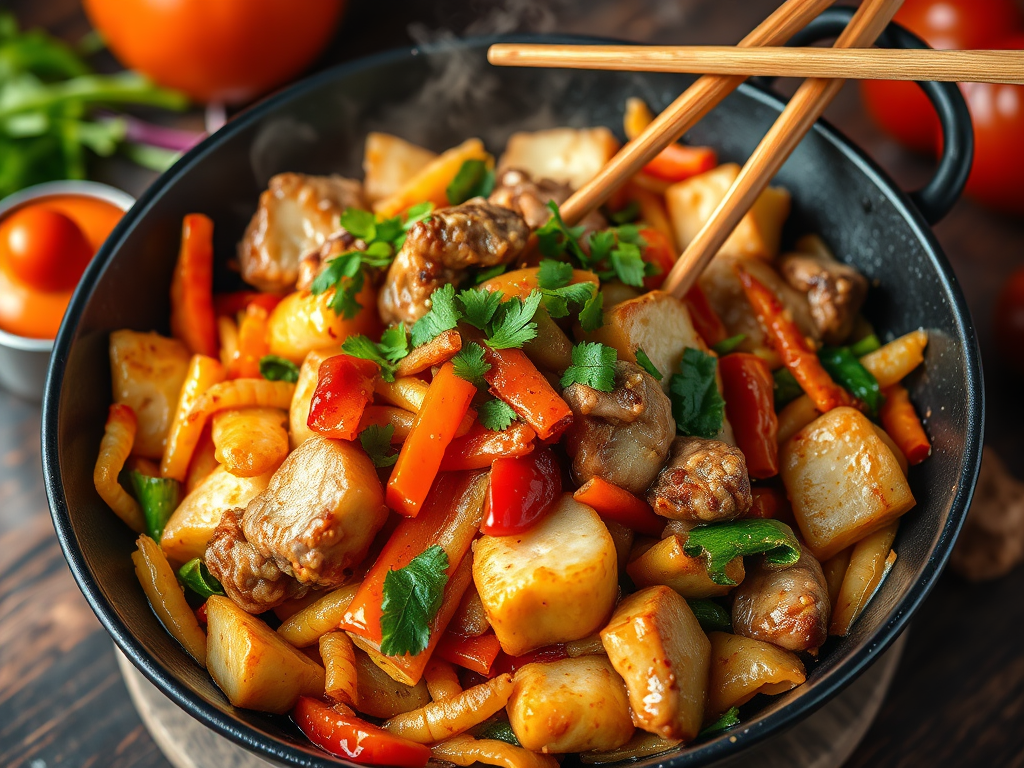
At Narberth Community Food Bank, we believe that eating healthy doesn’t have to be expensive or complicated. One of the best ways to enjoy a nutritious, satisfying meal on a budget is by making a veggie stir-fry. This dish is not only packed with vitamins and fiber, but it’s also versatile, affordable, and easy to prepare.

With just a few pantry staples and fresh (or frozen) vegetables, you can create a meal that’s both delicious and filling. Whether you serve it on its own or pair it with rice or noodles, this veggie stir-fry is perfect for a quick lunch or dinner.


Why Stir-Fry?

Stir-frying is a fantastic cooking method for several reasons:

🥕 Uses Simple Ingredients – You can make a great stir-fry with whatever vegetables you have on hand.
Quick and Easy – It takes less than 30 minutes to prepare!
💰 Budget-Friendly – Uses affordable, accessible ingredients, many of which can be found at food pantries.
🥦 Nutrient-Rich – Packed with vitamins, minerals, and fiber from fresh vegetables.
🍽 Customizable – Add protein, change up the sauce, or adjust the spice level based on your preference!


Ingredients

🥦 Vegetables (Use What You Have!):

  • 2 cups mixed vegetables (bell peppers, broccoli, carrots, snap peas, cabbage, onions, etc.)
  • 1 tablespoon vegetable oil (or any cooking oil)
  • 2 cloves garlic, minced (or ½ teaspoon garlic powder)
  • ½ teaspoon ginger (fresh, grated, or ground)

🍜 For the Stir-Fry Sauce:

  • ¼ cup soy sauce (or low-sodium alternative)
  • 1 tablespoon vinegar (white, apple cider, or rice vinegar)
  • 1 tablespoon honey or sugar
  • 1 teaspoon cornstarch (to thicken)
  • ¼ cup water

🍚 Serving Suggestions:

  • Cooked rice (white, brown, or jasmine)
  • Cooked noodles (ramen, spaghetti, or rice noodles)
  • Optional: ½ cup cooked chicken, tofu, or beans for extra protein

How to Make Veggie Stir-Fry

Step 1: Prepare Your Ingredients

  • Wash and chop all vegetables into bite-sized pieces.
  • In a small bowl, mix the stir-fry sauce ingredients until well combined. Set aside.

Step 2: Cook the Vegetables

  1. Heat the oil in a large pan or wok over medium-high heat.
  2. Add the garlic and ginger, stirring for about 30 seconds until fragrant.
  3. Add the harder vegetables first (like carrots and broccoli) and cook for 3-4 minutes.
  4. Add softer vegetables (like bell peppers or cabbage) and cook for another 2-3 minutes.

Step 3: Add the Sauce

  1. Pour the stir-fry sauce over the vegetables and stir well.
  2. Cook for 2-3 more minutes until the sauce thickens and coats the veggies.
  3. If adding protein (chicken, tofu, or beans), stir it in now.

Step 4: Serve & Enjoy!

  • Serve over cooked rice or noodles.
  • Garnish with sesame seeds, chopped green onions, or a squeeze of lemon for extra flavor.

Budget-Friendly & Pantry Tips

💡 Use Frozen Vegetables – They’re just as nutritious as fresh and often more affordable!
💡 Substitutes Work! – No soy sauce? Try a mix of salt and a splash of vinegar. No honey? Sugar works too!
💡 Stretch Your Meal – Add more rice or noodles to make this dish feed more people.
💡 Protein Boost – Add canned beans or eggs if you don’t have chicken or tofu.


Why This Recipe Works for Everyone

🌟 It’s Kid-Friendly – Sweet and savory flavors make it a hit with little ones.
🌟 Great for Meal Prep – Make a big batch and enjoy leftovers throughout the week.
🌟 Supports Healthy Eating – Packed with fiber, vitamins, and minerals.
🌟 Perfect for Food Pantry Ingredients – Many of the ingredients (rice, canned veggies, and soy sauce) are commonly available at food banks.


Make a Difference: Share & Donate!

At [Your Food Pantry Name], we encourage our community to cook healthy, affordable meals and support those in need. If you have extra pantry staples, consider donating to help others prepare nourishing meals like this veggie stir-fry.

🛒 Looking to donate? Our most-needed items include:
✔️ Rice, pasta, and noodles
✔️ Canned vegetables and beans
✔️ Cooking oil and seasonings
✔️ Canned proteins (chicken, tuna, tofu)

Visit us at [Your Food Pantry Name] to donate or receive assistance. Together, we can make healthy meals accessible to everyone!

Happy cooking! 🍽️🥕🌟

a cardboard box full of money with a tag on the box that says donate

Spring Cleaning: Organizing Your Pantry

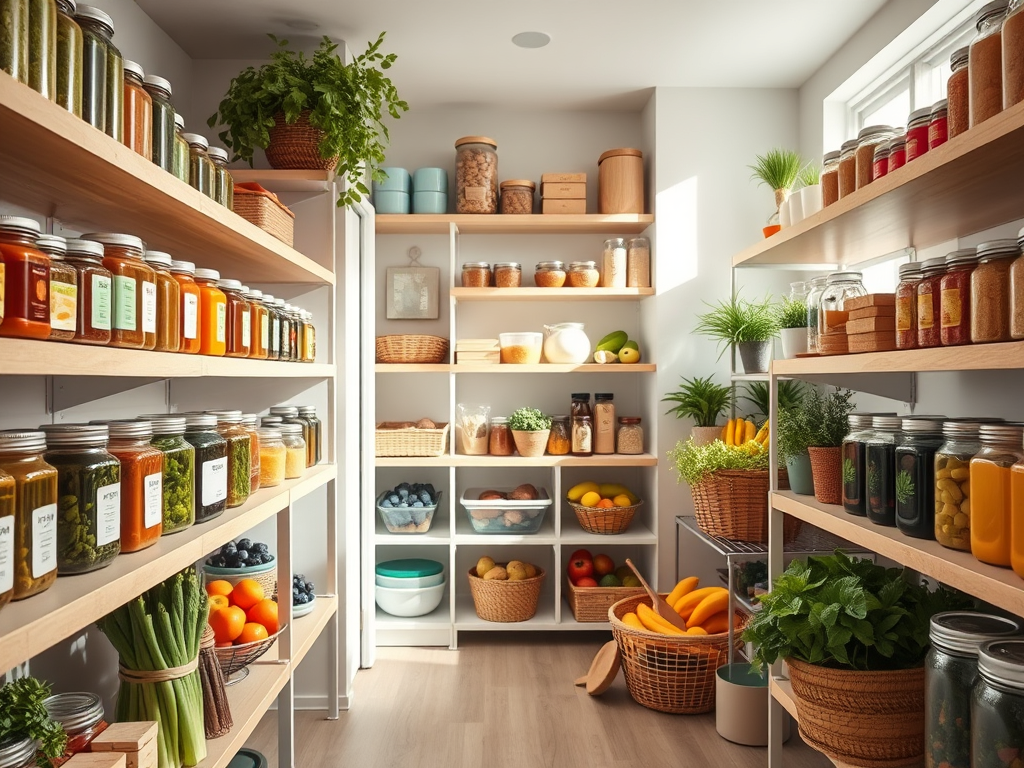
Spring is the perfect time to refresh and reorganize your home—including your pantry! A well-organized pantry can help reduce food waste, make meal planning easier, and even save you money by preventing duplicate purchases. At Narberth Community Food Bank, we believe that keeping a tidy pantry also means creating opportunities to give back. As you go through your shelves, consider donating unused, unexpired food to help families in need.

Here’s a step-by-step guide to organizing your pantry, plus tips on what to donate and how to make your food storage more efficient!


Step 1: Take Everything Out

The best way to start organizing your pantry is with a clean slate. Take everything off the shelves and group similar items together. This helps you see what you have, what’s expired, and what you don’t need.

As you do this, make three piles:
Keep – Items you regularly use and want to keep.
🗑 Discard – Expired or damaged items that are no longer safe to eat.
🎁 Donate – Unused, unexpired items you no longer need that could help someone else.


Step 2: Check Expiration Dates & Food Quality

Carefully check expiration dates on canned goods, dry foods, and snacks. Some foods may still be safe to eat past their printed date, but if something looks off—bulging cans, odd smells, or damaged packaging—it’s best to discard it.

What Can Be Donated?

If you find food items that are:
Unopened and in original packaging
Not expired or close to expiration
Non-perishable (canned goods, rice, pasta, peanut butter, etc.)

Then they’re great candidates for donation! Food pantries like [Your Food Pantry Name] always welcome shelf-stable essentials.


Step 3: Clean and Sanitize

Before putting items back, take a moment to wipe down shelves, vacuum crumbs, and sanitize surfaces. This prevents pests and keeps your food fresh.

A simple cleaning solution:
🧼 Mix equal parts vinegar and warm water for an easy, non-toxic cleaner!


Step 4: Organize by Category & Frequency of Use

To make meal prep and grocery shopping easier, store similar items together:

  • Grains & Pasta – Rice, quinoa, pasta, oats
  • Canned Goods – Soups, vegetables, beans, fruit
  • Baking Supplies – Flour, sugar, baking soda, chocolate chips
  • Snacks – Crackers, granola bars, dried fruit
  • Condiments & Sauces – Ketchup, mustard, salad dressings, cooking oils

For items you use often, place them at eye level so they’re easy to grab. Less frequently used items, like extra stock or baking ingredients, can go on higher or lower shelves.

Use Storage Bins & Labels

  • Clear containers help you see what you have and avoid buying duplicates.
  • Labels make it easy to find what you need quickly.
  • First In, First Out Rule – Place newer items behind older ones so you use the oldest food first.

Step 5: Keep a Pantry Inventory

A simple pantry list can prevent overbuying and ensure you always have essentials on hand. Keep a small whiteboard or notepad in your pantry to jot down what needs replenishing.


Step 6: Donate to Your Local Food Pantry

Now that your pantry is neat and organized, it’s time to share the extra food you found with those in need! Donations from households like yours help keep food pantries stocked and ready to serve the community.

How to Donate:

📍 Find Your Local Food Pantry – Visit Narberth Community Food Bank at 201 Sabine Avenue, Narberth, Pa. 19072 or check local organizations.
📦 Drop Off Donations – Most pantries accept donations during specific hours. Give us a call at [Phone Number] to check our schedule!
❤️ Spread the Word – Encourage friends and family to do a spring pantry cleanout and donate!


Final Thoughts: A Fresh Start for Spring

Spring cleaning isn’t just about tidying up—it’s about making intentional choices to create a more organized, efficient, and generous home. By clearing out your pantry, you’re not only reducing waste but also helping fight hunger in your community.

At Narberth Community Food Bank, we are grateful for every donation, big or small. This spring, as you declutter, remember that your extra food could be a lifeline for a family in need.

Ready to make an impact? Stop by [Your Food Pantry Name] to drop off donations or learn more about how you can help!

Happy Spring Cleaning! 🌸🍽

a cardboard box full of money with a tag on the box that says donate

Nourishing Hearts: Recipes and Tips for Heart-Healthy Eating

Heart health is a cornerstone of overall wellness. Making mindful food choices can significantly reduce the risk of heart disease. At our food pantry, we believe that everyone deserves access to nutritious, heart-healthy meals that promote long-term health. This month, we’re sharing tips, recipes, and strategies to help you incorporate heart-friendly foods into your daily life.

What Makes a Food Heart-Healthy?

Heart-healthy foods are those that support cardiovascular health by helping to manage cholesterol levels, blood pressure, and weight. These foods are rich in fiber, antioxidants, healthy fats, and essential vitamins and minerals. To create a heart-healthy diet, focus on:

  • Whole Grains: High in fiber, whole grains like oatmeal, brown rice, and whole-wheat bread help lower LDL (bad) cholesterol levels.
  • Fruits and Vegetables: Packed with antioxidants, potassium, and fiber, they protect the heart and promote overall health.
  • Lean Proteins: Opt for chicken, fish, beans, and legumes instead of red or processed meats.
  • Healthy Fats: Include sources like avocados, nuts, seeds, and olive oil while minimizing saturated and trans fats.
  • Low-Sodium Options: Excess sodium can increase blood pressure, so choose foods labeled “low sodium” or “reduced salt.”

Easy Heart-Healthy Recipes

Here are three recipes to inspire heart-healthy cooking. They’re simple, affordable, and delicious—perfect for any household.

1. Black Bean and Veggie Stir-Fry

  • Ingredients:
    • 1 can (15 oz) black beans, rinsed and drained
    • 2 cups mixed vegetables (e.g., bell peppers, broccoli, carrots)
    • 2 tablespoons olive oil
    • 2 tablespoons low-sodium soy sauce
    • 1 teaspoon garlic powder
    • 1 teaspoon ground ginger
  • Instructions:
    1. Heat olive oil in a large skillet over medium heat.
    2. Add mixed vegetables and sauté until tender, about 5-7 minutes.
    3. Stir in black beans, soy sauce, garlic powder, and ginger. Cook for another 2-3 minutes.
    4. Serve over brown rice or quinoa for a complete meal.

2. Berry Oatmeal Breakfast Bowl

  • Ingredients:
    • ½ cup rolled oats
    • 1 cup low-fat milk or a dairy alternative
    • ½ cup mixed berries (fresh or frozen)
    • 1 tablespoon chopped nuts (e.g., almonds or walnuts)
    • 1 teaspoon honey or maple syrup (optional)
  • Instructions:
    1. Cook oats in milk over medium heat until creamy, about 5 minutes.
    2. Top with berries, nuts, and a drizzle of honey or maple syrup if desired.
    3. Enjoy a warm, fiber-rich breakfast that’s good for your heart.

3. Baked Chicken with Sweet Potatoes and Green Beans

  • Ingredients:
    • 4 boneless, skinless chicken breasts
    • 2 medium sweet potatoes, diced
    • 2 cups green beans, trimmed
    • 2 tablespoons olive oil
    • 1 teaspoon paprika
    • 1 teaspoon garlic powder
    • Salt and pepper to taste
  • Instructions:
    1. Preheat oven to 375°F (190°C).
    2. Arrange chicken, sweet potatoes, and green beans on a baking sheet.
    3. Drizzle with olive oil and season with paprika, garlic powder, salt, and pepper.
    4. Bake for 25-30 minutes or until the chicken is cooked through and the sweet potatoes are tender.

Tips for Incorporating Heart-Healthy Habits

Making heart-healthy choices doesn’t have to be overwhelming. Here are some tips to help you get started:

  1. Cook at Home: Preparing meals at home allows you to control ingredients and portion sizes. This ensures they align with your dietary goals.
  2. Snack Smart: Choose heart-friendly snacks like fresh fruit, unsalted nuts, or whole-grain crackers instead of chips or sugary treats.
  3. Read Labels: Pay attention to nutritional labels to avoid hidden sodium, sugar, and unhealthy fats.
  4. Hydrate Wisely: Swap sugary beverages for water, herbal tea, or sparkling water with a splash of lemon.
  5. Experiment with Spices: Reduce salt intake by seasoning your meals with herbs and spices like basil, oregano, turmeric, and cumin.
  6. Stay Active: Pair your healthy eating habits with regular physical activity, such as walking, dancing, or gardening.

How We’re Supporting Heart-Healthy Choices

At our food pantry, we strive to provide options that align with heart-healthy eating principles. We offer whole grains and fresh produce. We also provide lean proteins and low-sodium canned goods. Our commitment is to ensure that our offerings support the well-being of our community.

We also offer educational resources like cooking demonstrations, nutrition workshops, and recipe cards. These are designed to help individuals and families make the most of the food they receive. If you have questions about creating heart-healthy meals or need inspiration, our team is here to help.

Building a Healthier Future Together

Heart health is a shared responsibility, and small changes can lead to big results. Choose heart-healthy foods. Try new recipes. Adopt mindful habits. We can all take steps toward a healthier, happier future.

As we celebrate American Heart Month, let’s remember something important. The food we eat not only fuels our bodies. It also nurtures our hearts. Together, we can create a community where nutritious meals and healthy lifestyles are accessible to everyone. Thank you for partnering with us in this mission, and here’s to many meals filled with love, health, and joy.

a cardboard box full of money with a tag on the box that says donate